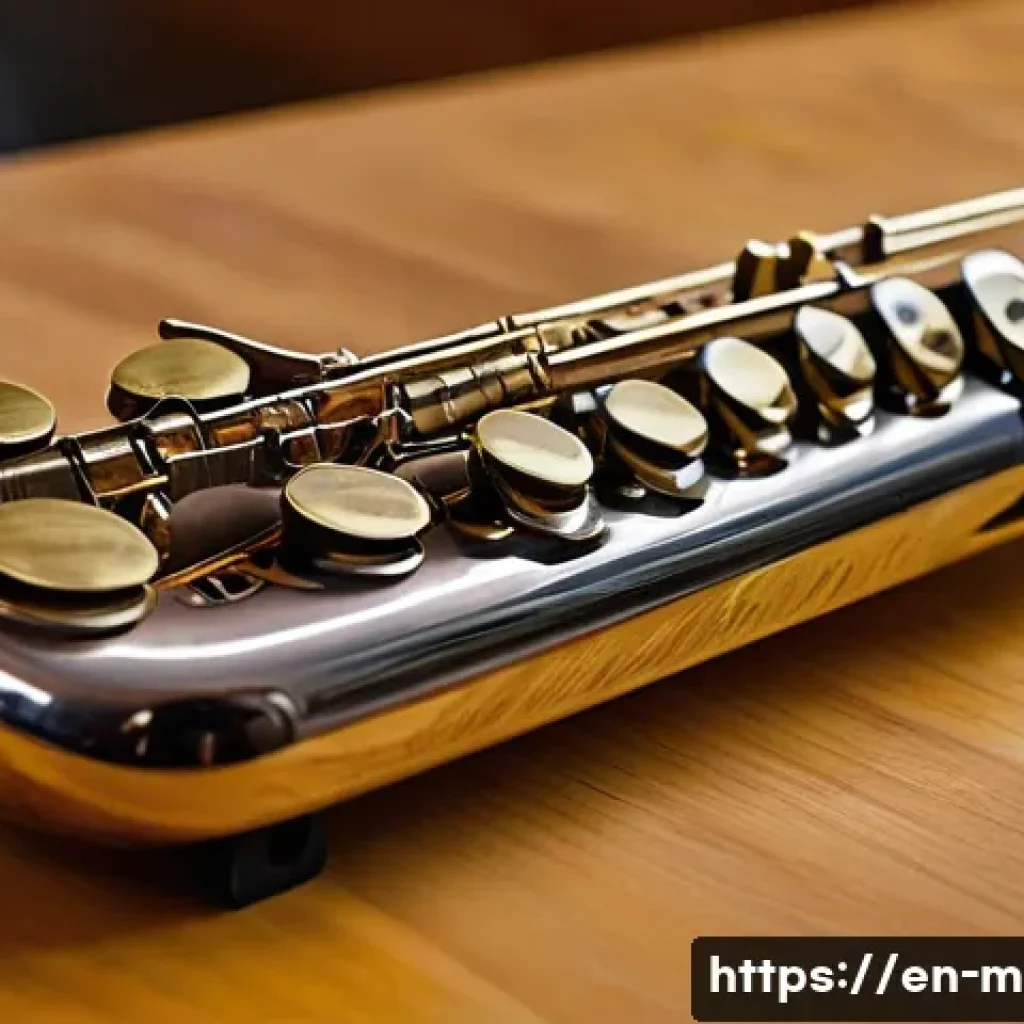
Maintaining your saxophone in top shape is essential for both sound quality and playability. Over time, parts like pads, corks, and springs may wear out, affecting your instrument’s performance.

Knowing how to replace these components yourself can save time and money while giving you a deeper connection with your instrument. Whether you’re a beginner or a seasoned player, understanding the basics of saxophone repair can empower you to keep your music flowing smoothly.
Let’s dive into the step-by-step process and get your saxophone playing like new again! I’ll guide you through everything you need to know in detail.
Assessing the Condition of Your Saxophone Components
Identifying Worn Pads and Their Impact on Sound
Pads are crucial for sealing the tone holes properly, and once they start to wear out, you’ll notice a marked difference in your saxophone’s sound. When pads become compressed or torn, air leaks occur, which can cause notes to sound airy or out of tune.
From my experience, even a slight leak can make your playing frustrating, especially when trying to hit those low notes cleanly. To spot worn pads, gently press each key and check for gaps around the pad edges or any discoloration.
If you see a pad that looks flattened or damaged, it’s time to consider replacement. This step is essential because ignoring pad wear can worsen your instrument’s overall responsiveness and tone quality.
Checking Corks for Proper Fit and Flexibility
Corks on your saxophone serve as cushions and help create airtight seals where keys meet the body. Over time, these corks dry out, shrink, or crumble, leading to loose keys or squeaks.
I once struggled with a sticky high F key that wouldn’t close properly until I realized the cork under it was completely worn down. To evaluate your corks, run your fingers along the key hinges and check if the corks still provide a snug fit without excess movement.
If the cork feels brittle or too thin, replacing it will restore smooth key action and prevent unwanted noises. It’s a small fix that makes a huge difference in playability.
Inspecting Springs for Tension and Functionality
Springs control the return of keys to their resting positions, and when they lose tension, keys can feel sluggish or fail to close fully. I found that some older saxophones can have springs that are bent or stretched, which leads to inconsistent key response.
To test your springs, press each key and observe how quickly and firmly it snaps back. If the key feels slow or sticks halfway, the spring might need adjustment or replacement.
This step requires a bit of patience and precision, but once you’ve got the right spring tension, your playing becomes much more fluid and effortless.
Gathering the Right Tools for Saxophone Repairs
Essential Tools You’ll Need for Pad Replacement
Replacing pads isn’t as daunting as it sounds once you have the right tools on hand. From my hands-on experience, having a good pad saver, a small screwdriver set, and a pair of tweezers makes the job smoother.
A pad punch or pad holder tool is especially helpful for seating the new pads evenly without damaging them. Also, keep some cork grease nearby to ensure smooth key movement after the job is done.
Investing in a quality repair kit upfront saved me countless trips to the repair shop and gave me the confidence to handle routine maintenance at home.
Tools for Cork and Spring Adjustments
When it comes to cork replacements, a sharp craft knife, fine sandpaper, and a small bottle of wood glue are your best friends. These let you trim old corks precisely and fit new ones securely.
For springs, I always recommend a pair of needle-nose pliers and a spring hook tool to carefully remove and reattach springs without bending them out of shape.
It’s a good idea to work in a well-lit space with a magnifier if you have one, as saxophone springs and corks are tiny and require a delicate touch.
Setting Up Your Workspace for Efficient Repairs
Creating a clean, organized workspace is often overlooked but makes a huge difference in repair efficiency. When I first started, I learned the hard way that working on a cluttered table leads to lost screws and misplaced parts.
Use a soft cloth or a pad saver as a base to protect your saxophone’s finish. Arrange your tools neatly and keep a small container nearby for screws and springs to avoid losing them.
Having good lighting and a comfortable chair also helps you stay focused and reduces frustration during longer repair sessions.
Step-by-Step Guide to Replacing Saxophone Pads
Removing the Old Pads Safely
Start by carefully loosening the screws that hold the key cups in place. I always recommend loosening them just enough to lift the key cup without forcing it off, which can damage the key mechanism.
Once the cup is removed, gently peel off the old pad from the key cup. Sometimes pads stick firmly, so a little patience and a plastic scraper work wonders.
Be sure to keep track of the screws and avoid dropping them inside the saxophone body.
Preparing the Key Cup for the New Pad
Before installing the new pad, clean the inside of the key cup thoroughly to remove any old glue residue or dirt. I use a cotton swab dipped in a bit of rubbing alcohol for this step, but be cautious not to soak the pad seating area excessively.
Next, apply a thin layer of pad cement or glue designed specifically for saxophone pads. This ensures the new pad adheres firmly and stays in place during play.
Let the glue dry slightly before setting the pad in position to avoid slippage.
Fitting and Securing the New Pad
Place the new pad carefully inside the key cup, making sure it’s centered perfectly. Using a pad holder or a smooth, flat tool, press the pad evenly to ensure good adhesion.
Reattach the key cup to the saxophone body and gently tighten the screws, avoiding overtightening which can damage the pad or key. After all pads are replaced, test each key for proper sealing by blowing through the instrument or using a leak light if available.
This step is crucial to confirm that the pads are seated correctly and your saxophone will sound its best.
Replacing Corks: Tips for a Perfect Fit and Longevity
Removing Old Corks Without Damage
Old corks can be stubborn, and I’ve learned that patience is key here. Use a craft knife to carefully lift the cork edges without scratching the metal keys.
Sometimes soaking the cork lightly with a bit of warm water softens the adhesive, making removal easier. Avoid using excessive force, as damaging the underlying keywork can lead to costly repairs down the line.
Cutting and Shaping New Corks
Once the old cork is removed, measure the area precisely to cut your new cork to size. I recommend purchasing pre-cut cork strips or sheets from a music store for consistency.
Using fine sandpaper, shape the cork edges smoothly to match the key’s contour. This prevents the cork from catching or wearing out prematurely. A snug fit is essential, so take your time sanding and testing the cork against the key.
Gluing and Finishing the Cork Installation
Apply a thin, even layer of wood glue or specialized cork adhesive to the key surface before placing the cork. Press firmly and wipe off any excess glue immediately to avoid mess.
Allow the glue to dry fully, ideally overnight, before reassembling the keys. Finally, use cork grease to keep the cork supple and extend its lifespan, which also ensures smooth key movement and prevents squeaking during play.
Adjusting and Replacing Springs for Optimal Action
Removing Springs Without Bending or Breaking
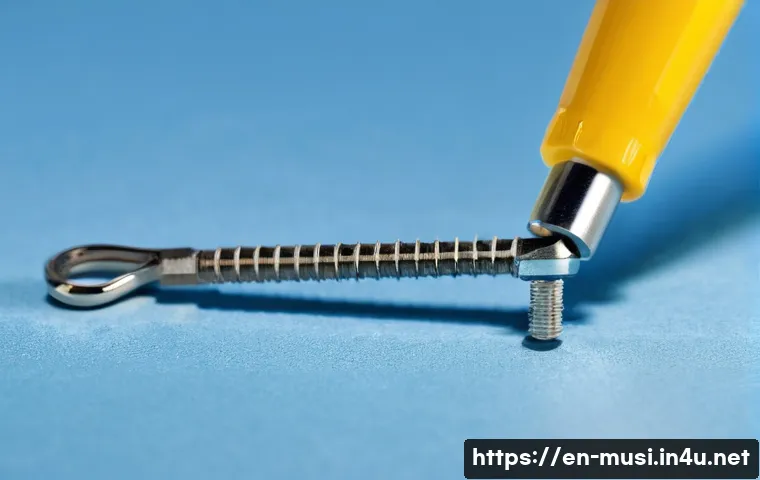
Spring replacement can be tricky because these tiny parts are delicate. I always start by observing how the spring is attached and use a spring hook tool to gently lift the spring off the post.
Avoid using pliers alone, as they can easily bend or break the spring. If the spring is rusted or stuck, a small drop of penetrating oil can help loosen it before removal.
Selecting the Right Replacement Springs
Choosing springs that match your saxophone’s model and key tension preferences is important. Springs come in various sizes and tensions, so consult with your instrument’s manufacturer or a trusted music shop.
I’ve found that having a few different tension springs on hand allows me to customize the feel of my keys, making playing more comfortable and responsive.
Installing and Testing New Springs
When installing new springs, carefully hook one end into the key mechanism and the other onto the post. Use your fingers or spring tool to adjust the tension slightly if needed.
After installation, test each key’s action by pressing and releasing it multiple times. Proper spring tension should feel balanced—not too stiff or too loose—and keys should return quickly to their resting position without sticking or rattling.
Common Challenges and How to Troubleshoot Them
Dealing with Stubborn Keys and Sticky Pads
Sticky keys are one of the most frustrating issues saxophonists face, often caused by old pads or dried corks. When I encountered sticky keys, I found that cleaning the pad surface gently with a slightly damp cloth and applying a bit of cork grease helped immensely.
If the stickiness persists, check that the pad isn’t swollen or misaligned and consider replacing it if necessary.
Handling Air Leaks and Tone Inconsistencies
Air leaks can sneak up on you, especially if you haven’t checked your pads or corks for a while. To pinpoint leaks, use a leak light or simply blow into the saxophone and listen for hissing sounds.
I once discovered a tiny leak caused by a misaligned pad that was barely noticeable but severely affected my intonation. Adjusting the pad seat or replacing the pad usually fixes this problem quickly.
Maintaining Key Alignment and Preventing Future Problems
Key misalignment can cause uneven wear on pads and corks, leading to frequent repairs. After replacing parts, always test the alignment by pressing keys slowly and ensuring they close evenly without gaps.
If you notice uneven key heights or resistance, small tweaks with a screwdriver or gentle bending of key arms can restore proper function. Routine maintenance prevents bigger issues and keeps your saxophone performing at its peak.
Essential Maintenance Tips to Extend Your Saxophone’s Life
Regular Cleaning and Lubrication Practices
Keeping your saxophone clean inside and out is key to longevity. I recommend wiping down the exterior after every use to remove oils and sweat that can corrode the finish.
Internally, using a swab to dry the body after playing prevents moisture buildup that damages pads and corks. Applying key oil sparingly to pivot points keeps keys moving smoothly and reduces wear on springs and rods.
Scheduling Periodic Professional Checkups
Even with the best DIY maintenance, having your saxophone checked by a professional technician annually or biannually is invaluable. They can spot hidden issues, perform precise adjustments, and replace parts you might overlook.
I’ve saved a lot of time and money by combining my own repairs with occasional professional tune-ups, ensuring my saxophone stays in optimal condition.
Storing Your Saxophone Properly When Not in Use
Proper storage protects your investment and preserves playability. Always store your saxophone in a sturdy case with padding, away from extreme temperatures and humidity.
I’ve noticed that leaving my saxophone in a hot car or damp environment accelerates pad and cork deterioration. Using silica gel packets in your case helps control moisture and prevents mold growth, keeping your instrument ready to play whenever inspiration strikes.
| Component | Signs of Wear | Tools Needed | Replacement Tips |
|---|---|---|---|
| Pads | Air leaks, flattened or torn surface, discoloration | Pad holder, screwdriver, tweezers, pad cement | Clean key cup, center pad precisely, avoid overtightening screws |
| Corks | Cracked, brittle, shrunken, loose keys | Craft knife, sandpaper, wood glue, cork grease | Trim to fit, sand edges smooth, glue firmly, dry overnight |
| Springs | Sluggish keys, keys not returning fully, bent or stretched springs | Needle-nose pliers, spring hook tool, penetrating oil (if stuck) | Use proper tools to avoid bending, test tension, adjust carefully |
글을 마치며
Maintaining your saxophone’s components is key to ensuring a smooth and enjoyable playing experience. By regularly inspecting pads, corks, and springs, you can prevent common issues that hinder performance. With the right tools and careful attention, many repairs can be done at home, saving time and money. Remember, a well-maintained saxophone not only sounds better but also lasts longer.
알아두면 쓸모 있는 정보
1. Always use a leak light or gentle blowing to detect air leaks early before they affect your tone quality.
2. Cork grease isn’t just for comfort; it significantly extends cork life and prevents squeaky keys.
3. When replacing pads, avoid overtightening screws to protect both the pad and key mechanism from damage.
4. Organize small parts like screws and springs in containers during repairs to prevent loss and frustration.
5. Regular professional checkups complement your DIY maintenance and help catch hidden problems early.
중요 사항 정리
Consistent saxophone maintenance starts with careful assessment of worn pads, corks, and springs, as these directly impact sound and playability. Using the proper tools and techniques for repairs ensures parts fit perfectly and function smoothly. A clean, well-lit workspace and patience during adjustments are essential to avoid damage. Combining your own upkeep with periodic professional inspections maximizes your instrument’s longevity and keeps your performance at its best.
Frequently Asked Questions (FAQ) 📖
Q: How often should I replace the pads on my saxophone to maintain optimal sound quality?
A: Saxophone pads typically last between one to two years, depending on how frequently you play and the conditions in which you store your instrument. If you notice air leaks, difficulty producing certain notes, or a duller sound, it’s a clear sign that your pads may need replacing.
Personally, I found that playing daily in humid environments sped up wear, so checking pads every six months helped me avoid sudden performance issues.
Regular inspection is key—don’t wait until you’re mid-gig to discover a faulty pad!
Q: Can I replace saxophone corks and springs myself, or should I always see a professional technician?
A: While some repairs are best left to pros, replacing corks and springs is quite manageable at home with the right tools and a bit of patience. I once replaced the neck cork myself after watching a few tutorials and realized it wasn’t as intimidating as it seemed.
Make sure to get cork grease, proper adhesive, and small precision tools. Springs can be tricky, as they need to be adjusted carefully to maintain proper key tension, so if you’re unsure, consulting a technician can save you headaches.
But for basic cork replacements, DIY is definitely doable and rewarding!
Q: What are the essential tools I need to keep my saxophone in good repair at home?
A: To maintain your saxophone effectively, you’ll want a basic repair kit that includes cork grease, pad paper, small screwdrivers (flat and Phillips), a spring hook, and a pair of needle-nose pliers.
I recommend adding a cleaning swab and a mouthpiece brush to keep the instrument hygienic. Having these tools on hand saved me countless trips to the repair shop and let me handle minor adjustments immediately.
Investing in quality tools makes a huge difference and keeps your saxophone sounding and feeling great between professional check-ups.