Capturing the perfect drum sound can truly elevate your music production, but choosing the right recording gear can feel overwhelming with so many options out there.
Whether you’re a bedroom producer or a seasoned studio engineer, having reliable equipment tailored to your style makes all the difference. From microphones to interfaces, each piece plays a crucial role in delivering that punchy, clear drum tone.
Over the years, I’ve experimented with various setups and found some gear that consistently brings out the best in drum recordings. If you’re ready to upgrade your sound or just starting out, let’s dive into the essential drum recording equipment you should consider.
Keep reading to get the full scoop!
Choosing the Right Microphones for Drum Recording
Dynamic vs. Condenser Mics: What Works Best?
When it comes to capturing drums, the microphone type can drastically change your sound. Dynamic mics are often the go-to for snare and toms because they handle high SPLs (sound pressure levels) without distortion.
I’ve personally found that a Shure SM57, a classic dynamic mic, delivers that punchy, focused snare tone that cuts through mixes like a charm. On the other hand, condenser mics are excellent for overheads and cymbals, capturing the brightness and detail with clarity that’s hard to beat.
Their sensitivity makes them perfect for picking up the subtle shimmer and airiness of hi-hats and ride cymbals. Using a combination of dynamic mics on the drums and condensers as overheads tends to give a well-balanced, natural drum sound in my experience.
Placement Tips to Maximize Mic Performance
Mic placement can be just as important as the mic itself. For example, placing your snare mic about an inch above the rim, angled toward the center, can capture both the crack and the body of the snare.
Overhead mics should be positioned symmetrically above the kit, usually in an XY or spaced pair configuration, to maintain stereo imaging and avoid phase issues.
I learned the hard way that even a small change of a few inches can drastically alter the tone, so spending time experimenting with placement is well worth the effort.
Don’t forget to check for phase cancellation by listening in mono – it can save you from a hollow drum sound later.
Affordable Mic Options That Deliver
Not everyone has the budget for boutique mics, but some budget-friendly options punch well above their weight. The Audio-Technica AT2020 is a fantastic condenser mic for overheads, delivering crisp highs without breaking the bank.
For dynamic mics, the Sennheiser e604 offers excellent durability and a tailored frequency response suited for toms and snare drums. Over the years, I’ve swapped between these affordable models and more expensive gear, and honestly, they hold their own in both home and project studio settings.
It’s proof that you don’t always need to spend a fortune to get a professional sound.
Audio Interfaces and Preamps That Bring Drums to Life
Why Preamps Matter More Than You Think
The preamp is the unsung hero in your drum recording chain. It’s responsible for amplifying the mic signal while adding its own character and warmth. I’ve noticed that high-quality preamps can add a richness and depth to drum tracks that cheap interfaces often lack.
For instance, using a Focusrite Scarlett interface, which has clean preamps, is great for clarity but can sometimes sound a bit sterile. Meanwhile, boutique preamps like those from Universal Audio or Warm Audio add a subtle harmonic saturation that makes drums feel more alive and present.
If your budget allows, investing in a dedicated preamp or an interface with quality preamps can be a game-changer.
Connectivity and Channel Count Considerations
Drum recording often means juggling multiple mics simultaneously, so having enough inputs is crucial. A 4-channel interface might work for simple kits, but if you want to mic every drum and cymbal separately, an 8 or 16 channel interface is more practical.
I’ve seen many producers frustrated by the limitations of smaller interfaces when trying to record full drum kits. Additionally, low latency performance is vital to avoid annoying delays during monitoring.
Interfaces like the Universal Audio Apollo series or PreSonus Studio series strike a good balance of input count, quality preamps, and low latency, making them popular choices in both home and professional studios.
Portable Interfaces for On-the-Go Recording
If you’re a producer who records drums outside of a traditional studio, portability is key. I’ve personally used the Focusrite Scarlett 2i2 and Audient EVO 4 for quick setups in rehearsal spaces or even living rooms.
These compact units deliver surprisingly good sound quality and are easy to carry around. While they might not have the multi-channel capabilities needed for a full drum kit, they’re perfect for smaller setups, electronic drums, or quick demos.
The convenience of USB bus power and straightforward software integration makes them a favorite for mobile musicians.
Essential Accessories That Make a Difference
Sturdy Mic Stands and Shock Mounts
Mic stands are often overlooked but crucial for stable, consistent recordings. Wobbly or cheap stands can lead to mic movement and unwanted noise, ruining takes.
Investing in reliable stands with boom arms allows for precise positioning, especially when miking toms or overheads. Shock mounts are equally important for condenser mics, isolating them from vibrations and mechanical noise.
I remember recording a session where ignoring shock mounts led to low-frequency rumble in the cymbal tracks, which was a nightmare to fix in mixing. Using shock mounts and proper stands is a simple step that really pays off in clean drum recordings.
Quality Cables for Noise-Free Signal
Don’t underestimate the power of good cables. Poor quality or damaged cables introduce hum, buzz, and signal degradation. Over the years, I’ve seen countless sessions saved simply by swapping out noisy cables.
Brands like Mogami and Canare offer reliable shielded cables that maintain signal integrity over longer runs. Especially in drum recording, where multiple mics create complex signal chains, keeping your cables in top shape ensures you’re capturing the purest sound possible without interference.
Using Drum Shields and Isolation Techniques
When recording in less-than-ideal rooms, drum shields or isolation panels can help control bleed and reflections. I’ve used acrylic drum shields to isolate the kit from vocal mics or reduce room reverb in untreated spaces.
While these shields don’t replace proper acoustic treatment, they provide a practical solution when quick isolation is needed. Combining shields with strategic mic placement and close miking techniques helps capture a cleaner drum sound, making the mixing process smoother and more flexible.
Comparing Popular Drum Recording Gear
| Equipment | Type | Price Range | Best Use Case | Personal Notes |
|---|---|---|---|---|
| Shure SM57 | Dynamic Mic | $100-$120 | Snare, Toms | Punchy sound, highly durable, studio staple |
| Audio-Technica AT2020 | Condenser Mic | $100-$150 | Overheads, Cymbals | Clear highs, budget-friendly, great detail |
| Focusrite Scarlett 18i20 | Interface | $450-$500 | Multi-mic drum recording | Clean preamps, lots of inputs, reliable |
| Universal Audio Apollo Twin | Interface with Preamps | $900-$1100 | High-end drum tracking | Warm preamps, excellent conversion, low latency |
| Mogami Gold Cables | Cables | $30-$50 per cable | Signal integrity | Noise-free, durable, industry standard |
Room Acoustics and Its Impact on Drum Sound
Understanding Room Reflections and Absorption
The room you record in has a huge effect on your drum sound. Hard, reflective surfaces can add unwanted echoes or harshness, while too much absorption can make the drums sound dead and lifeless.
I’ve spent hours tweaking the placement of foam panels, bass traps, and diffusers to find the sweet spot where the drums sound natural but controlled.
A good rule of thumb is to treat first reflection points and corners, as these areas contribute most to problematic reflections. Listening critically in your space helps you identify whether you need more absorption or diffusion.
Using Portable Acoustic Treatments
Not everyone has access to a professionally treated studio, so portable acoustic panels and gobos are excellent alternatives. I’ve brought these lightweight panels into rehearsal spaces and home studios to minimize room noise and improve drum clarity.
They’re especially useful when combined with close miking techniques, helping to reduce mic bleed and capture a more focused drum tone. These treatments also make mixing easier since you’re starting with cleaner tracks.
Investing in modular, movable panels gives you flexibility for different recording scenarios.
DIY Acoustic Hacks That Actually Work
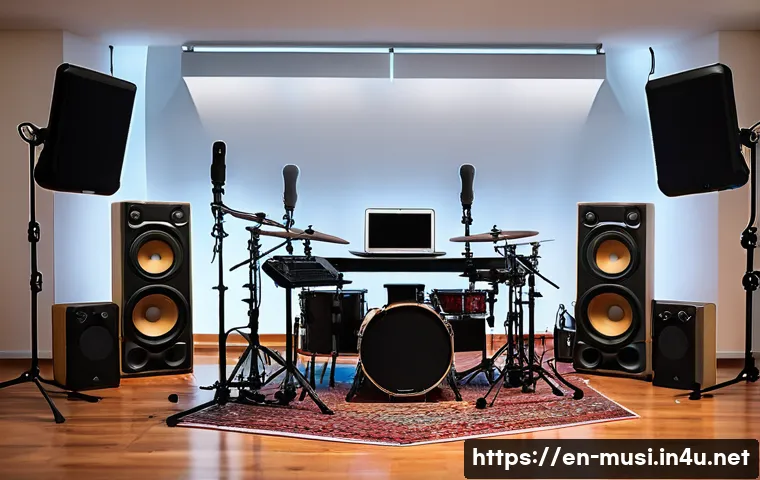
On a tight budget, there are surprisingly effective DIY solutions for drum recording spaces. Thick blankets, mattresses, or even hanging heavy curtains around the kit can absorb reflections and tame reverb.
I once recorded a drum session in a small room using a combination of moving blankets and a mattress leaned against the wall, and the improvement in sound was remarkable.
While not as effective as professional treatment, these hacks are great for quick fixes or temporary setups. Just be sure to experiment and listen carefully to how the room changes before and after.
Monitoring and Mixing: Hearing Your Drums Clearly
Choosing Headphones vs. Studio Monitors
Monitoring your drum recordings accurately is crucial for making mixing decisions. Headphones provide isolation and detail, which is helpful when tracking, but they can sometimes exaggerate certain frequencies.
Studio monitors, on the other hand, offer a more natural, room-informed sound that helps you hear how the drums will translate in real environments. I tend to switch between both during sessions—using headphones for tracking precision and monitors for mixing balance.
This dual approach ensures I catch any issues early on.
Essential Mixing Plugins for Drums
The right plugins can enhance your drum tracks without overprocessing. I rely on EQ to carve out mud and boost presence, compression to tighten the dynamics, and saturation plugins to add warmth and character.
For example, a gentle tape saturation plugin can bring drums to life by adding subtle harmonics that emulate vintage gear. Reverb and delay need to be used sparingly to keep the drums upfront and punchy.
Experimenting with parallel compression can also add thickness without sacrificing dynamics, a trick I often use when mixing rock or pop drums.
Using Reference Tracks to Stay Objective
One of the best ways to ensure your drum sound is on point is by comparing your mix to professional reference tracks. I usually pick songs in a similar genre and listen carefully to how the drums sit in the mix, how punchy the kick is, or how crisp the snare sounds.
This practice helps me avoid getting lost in endless tweaking and keeps my ears calibrated. Using reference tracks can also guide your choices in EQ, compression, and effects, leading to more polished, professional-sounding drum recordings.
Tips for Maintaining Your Drum Recording Gear
Regular Cleaning and Care
Keeping your microphones and cables clean can extend their lifespan and maintain sound quality. Dust, sweat, and moisture can degrade delicate components over time.
I make it a habit to wipe down mics after every session and store them in protective cases. For cables, checking connectors regularly for corrosion or loose contacts prevents unexpected signal loss during sessions.
A little maintenance goes a long way toward avoiding costly repairs or replacements.
Proper Storage and Handling
Treating your gear with care during transport and storage reduces the risk of damage. I always use padded bags for microphones and interfaces, and avoid winding cables too tightly to prevent internal wire breakage.
When setting up or tearing down, being gentle with stands and mounts prevents wear and tear. These small habits might sound obvious, but over years of use, they make a significant difference in keeping your setup reliable.
Updating Firmware and Software
Many modern audio interfaces and digital gear rely on firmware and software updates to fix bugs and improve performance. I recommend regularly checking the manufacturer’s website and installing updates when available.
During one session, I encountered strange latency issues that were resolved simply by updating my interface’s firmware. Staying up-to-date ensures you get the best stability and feature set out of your equipment, avoiding frustrating technical hiccups in the middle of recording.
Exploring Drum Sampling and Hybrid Techniques
When to Use Drum Samples
Sometimes, even the best drum recording setup can’t capture exactly what you want, especially when time or budget constraints hit. That’s where drum samples come in handy.
I’ve used high-quality sample libraries to layer or replace certain drum hits, like tightening a kick or adding snare snap. Samples can help achieve a polished sound quickly, especially in genres like hip-hop or electronic music where synthetic drums are common.
Blending samples with recorded drums offers the best of both worlds: natural feel with studio polish.
Triggering and MIDI Integration
Triggering drum samples via MIDI pads or triggers is a powerful technique for modern producers. This method allows you to replace or augment acoustic drums with sampled sounds in real time.
I’ve experimented with Roland triggers and Ableton Drum Racks to create hybrid kits that combine the organic dynamics of live playing with the precision and variety of samples.
This approach also opens creative doors for remixing and sound design, offering flexibility in both recording and live performance contexts.
Balancing Natural and Processed Drum Sounds
One of the challenges with hybrid drum recording is maintaining a natural vibe without sounding too processed or artificial. From my experience, subtle layering and careful EQ matching between recorded and sampled drums help achieve this balance.
Over-processing can kill the groove and energy, so I recommend using samples as enhancements rather than replacements unless the style demands it. Listening to your drummer’s performance and respecting the feel goes a long way toward creating compelling drum tracks that feel both real and polished.
Wrapping Up
Choosing the right microphones, interfaces, and accessories plays a crucial role in capturing authentic and vibrant drum sounds. Through careful selection and thoughtful placement, even budget-friendly gear can yield professional results. Remember, understanding your recording environment and maintaining your equipment are just as important as the gear itself. With these insights, you’re well-equipped to bring your drum recordings to life with clarity and character.
Handy Tips to Keep in Mind
1. Experiment with both dynamic and condenser microphones to find the perfect blend for your drum kit and recording style.
2. Always check microphone placement carefully—small adjustments can dramatically improve sound quality and reduce phase issues.
3. Invest in quality cables and sturdy stands to ensure noise-free signals and stable setups during recording sessions.
4. Utilize portable acoustic treatments or DIY solutions when a professional studio isn’t available to control room reflections.
5. Regularly maintain and update your gear, including firmware and software, to avoid technical hiccups and prolong equipment life.
Key Takeaways
Choosing microphones suited for each drum element and understanding their placement is fundamental for a balanced drum sound. High-quality preamps and interfaces enhance the character and clarity of your recordings, while proper accessories prevent unwanted noise and vibrations. Room acoustics have a significant impact, so addressing reflections and absorption is essential. Finally, blending natural recordings with samples can add polish without sacrificing authenticity. Consistent gear maintenance ensures reliability and longevity for your recording setup.
Frequently Asked Questions (FAQ) 📖
Q: What type of microphone is best for recording drums?
A: Choosing the right microphone depends on the drum element you’re capturing. For the kick drum, a dynamic mic with a good low-end response, like the Shure Beta 52A or AKG D112, works wonders to capture that punchy thump.
For snare and toms, dynamic mics such as the Shure SM57 are industry standards because they handle high SPLs and bring out the attack nicely. Overheads are usually condenser mics, which capture the cymbals and the overall kit ambiance with clarity and detail.
From my experience, using a matched pair of small-diaphragm condensers as overheads adds a natural stereo image that really breathes life into the drum sound.
Q: How important is an audio interface for drum recording?
A: An audio interface is absolutely crucial because it’s the bridge between your drums and your computer. A high-quality interface with multiple inputs and good preamps can make a massive difference in sound clarity and detail.
When I upgraded to an interface with clean, transparent preamps and low latency, I noticed my drum recordings sounded more vibrant and true-to-life. If you’re tracking multiple mics simultaneously, having enough inputs and stable drivers is key to avoiding glitches and maintaining timing, which directly impacts your workflow and the final mix quality.
Q: Can I get great drum sounds with budget gear?
A: Definitely! You don’t have to break the bank to capture solid drum tones. While high-end gear offers more headroom and polish, many budget microphones and interfaces today deliver impressive results, especially when paired with good mic placement and room treatment.
For instance, I’ve recorded tight, punchy drums using affordable dynamic mics and a reliable entry-level interface just by focusing on positioning and tuning the drums well.
Investing time in technique often yields better improvements than just upgrading gear. That said, as you grow, gradually upgrading your equipment will help you unlock even more sonic potential.