
Changing violin strings might seem intimidating at first, especially if you’re new to the instrument. However, with a bit of practice and the right technique, it becomes a straightforward process that can significantly improve your sound quality.
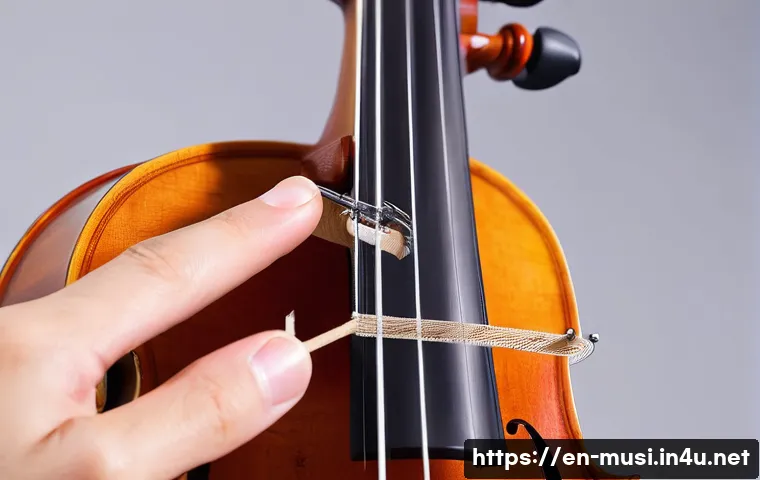
Fresh strings bring brightness and clarity that old ones simply can’t match. Plus, learning this skill saves you time and money by avoiding frequent visits to the shop.
Whether you’re a beginner or an experienced player, understanding how to properly replace your violin strings is essential for maintaining your instrument’s performance.
Let’s dive into the details and get you confidently changing strings in no time!
Preparing Your Violin and Workspace
Choosing the Right Strings for Your Style
Picking the right strings can feel overwhelming, but it’s crucial to match them to your playing style and instrument. For instance, synthetic core strings often offer a warm, rich tone, making them ideal for classical players who value smoothness.
Steel core strings, on the other hand, provide a brighter, more focused sound, favored by fiddlers and those who need more projection. Personally, I found switching from steel to synthetic strings softened my sound and made my practice sessions more enjoyable.
Also, don’t forget to check your violin’s manufacturer recommendations or ask your teacher for advice. Investing in quality strings tailored to your needs will make a noticeable difference in sound and playability.
Setting Up a Comfortable, Well-Lit Area
Before you start, setting up a clean, well-lit workspace is a game-changer. I always clear a sturdy table near a window or under a bright lamp to avoid straining my eyes.
Having a soft cloth or a towel underneath your violin prevents scratches and keeps small parts from rolling away. It’s amazing how something as simple as good lighting and a tidy surface can reduce frustration and speed up the process.
Plus, gathering all your tools—like a tuner, peg compound, and string winder—within arm’s reach means you won’t have to interrupt your flow looking for them mid-task.
Gathering Essential Tools and Accessories
While you can technically change strings with just your hands, having the right tools makes the job smoother and safer for your instrument. A string winder is a must-have because it speeds up winding and reduces finger strain.
I also recommend a pair of fine wire cutters to trim excess string ends neatly—trust me, those sharp ends can be a hazard if left too long! Peg compound helps keep tuning pegs from slipping or sticking, which is especially useful if your violin is new or exposed to humidity changes.
Lastly, a good-quality tuner ensures your strings are brought up to pitch accurately without guesswork.
Removing Old Strings Safely
Loosening the Strings Gradually
Jumping straight to pulling strings off can damage your violin or cause sudden tension shifts that affect its structure. I always start by gently loosening each string a bit at a time, moving from the E string down to the G string.
This slow approach helps relieve tension evenly and avoids warping the instrument’s neck. It’s also a great moment to inspect your bridge and soundpost for any signs of wear or movement.
Taking your time here prevents surprises later on and keeps your violin in top shape.
Detaching Strings from the Pegs and Tailpiece
Once the strings are sufficiently slack, carefully unwind them from the tuning pegs. I find it easiest to hold the peg firmly and turn the string slowly while guiding it off the peg’s hole.
Avoid forcing it, as pegs can be fragile, especially on older violins. Next, detach the strings from the fine tuners or tailpiece hooks. Sometimes, old strings stick a bit, so gently wiggling them free prevents damage.
If you notice any rust or grime, that’s a sign it’s definitely time for a replacement!
Inspecting Your Violin for Maintenance
With the strings off, this is the perfect opportunity to give your violin a quick checkup. Look closely at the bridge’s position—it should be straight and centered between the f-holes.
Also, check the fingerboard and tailpiece for any cracks or loose parts. If you spot dust or rosin buildup, a soft cloth can clean it up nicely without harming the finish.
Catching these minor issues early helps avoid costly repairs and keeps your instrument sounding its best.
Installing New Strings with Confidence
Starting with the Correct String Order
Strings come in a specific order: G, D, A, and E, from the thickest to the thinnest. When putting on new strings, it’s important to follow this sequence to prevent confusion and ensure proper tension.
I usually start with the G string on the left side, working my way to the E string on the right. This methodical approach reduces the risk of tangling or mixing up strings, which can be frustrating to fix later.
Keeping the packaging nearby helps double-check string labels during installation.
Securing Strings on Pegs Without Slipping
Inserting the string end into the peg hole requires patience. I’ve learned to leave a small amount of slack to wrap the string neatly around the peg, usually two to three turns.
This creates enough grip without overcrowding the pegbox. Using a peg compound on the peg shaft can make turning smoother and prevent slipping. After securing the string, turn the peg slowly to bring it up to pitch, stopping to check tuning often.
It’s a delicate balance between firm tension and smooth tuning, but with practice, it becomes second nature.
Attaching Strings to the Tailpiece and Fine Tuners
Once the peg end is secure, thread the other end of the string through the fine tuner or tailpiece hook. Some strings come with a ball end that fits snugly into the tailpiece hole, making this step straightforward.
For strings without a ball end, threading the string properly is key to avoid slipping. When using fine tuners, I usually leave them slightly loose at first, tightening them gradually as the string stretches and settles.
This approach prevents sudden tension spikes and makes final tuning much easier.
Tuning and Stretching New Strings Effectively
Initial Tuning to Rough Pitch
After installing all strings, the first tuning is more about bringing them close to pitch than hitting perfect notes. New strings naturally stretch, so don’t be discouraged if they go out of tune quickly.
I use a chromatic tuner app on my phone, which has been incredibly handy for quick and accurate feedback. Bringing strings up gently to their target notes reduces the chance of snapping and helps the violin neck adjust gradually to the new tension.
Stretching Strings to Stabilize Pitch
New strings often detune because they’re still stretching. I find gently pulling each string away from the fingerboard a few times helps speed up this process.
Be careful not to pull too hard—just enough to feel the string loosen slightly and then retune. Repeating this a few times over the first hour can significantly reduce tuning headaches later on.
This technique has saved me many tuning frustrations, especially when preparing for a performance or recording session.
Fine-Tuning and Regular Pitch Checks
Once the strings have settled, fine-tuning becomes easier and more reliable. I recommend checking tuning every 15 to 30 minutes during the first day after changing strings.
Using a combination of fine tuners and pegs helps achieve the perfect pitch without over-stressing the strings. Over time, tuning becomes quicker as the strings adapt, but consistent checking in the initial phase prevents sudden surprises during playing.
Tips for Extending the Life of Your Violin Strings
Proper Cleaning and Handling After Playing

One of the simplest ways to extend string life is wiping them down with a clean, dry cloth after every session. I usually keep a small microfiber cloth in my violin case specifically for this purpose.
Removing rosin dust and sweat buildup prevents corrosion and maintains brightness. Avoid using chemical cleaners on strings, as they can damage the winding or core material.
Developing this habit can double the lifespan of your strings and keep your sound crisp.
Storing Your Violin in Optimal Conditions
Environmental factors like humidity and temperature swings can wreak havoc on strings. I keep my violin in a hard case with a humidity control pack, especially during dry winter months.
This setup stabilizes the wood and strings, reducing the risk of cracks and tuning issues. If you don’t have a humidity pack, placing a small damp sponge near the instrument can help, but be cautious not to let moisture touch the violin directly.
Consistent storage conditions make a big difference in how long your strings stay in tune and maintain their tone.
Recognizing When It’s Time to Replace Strings
Strings wear out gradually, so it’s important to know the signs before they affect your playing. I’ve noticed my strings sound dull, lose responsiveness, or become harder to tune when they’re past their prime.
Visual cues include fraying, discoloration, or rust spots. Keeping track of how long you’ve used each set can help; for regular players, changing strings every 3 to 6 months is typical.
If you gig or practice heavily, monthly changes might be necessary. Staying ahead of wear ensures your violin always sounds its best.
Comparing Popular String Brands and Types
Overview of Leading Violin String Manufacturers
There are several reputable brands that players swear by, each offering unique tonal qualities and durability. Some favorites include Pirastro, Thomastik-Infeld, D’Addario, and Jargar.
Pirastro strings, for example, are praised for their rich, warm tones and smooth playability. Thomastik-Infeld offers bright, powerful options favored by soloists.
D’Addario strings are often chosen for their consistency and affordability, making them great for beginners. Jargar strings tend to have a balanced sound with excellent longevity.
Trying different brands can be fun and revealing as you discover what suits your style best.
String Types and Their Tonal Characteristics
Strings generally come in three core types: gut, synthetic, and steel. Gut strings produce a traditional, warm tone that many classical players adore, but they require more maintenance and are sensitive to humidity.
Synthetic strings mimic gut’s warmth but are more stable and durable, making them a popular modern choice. Steel strings are bright and focused, ideal for folk, jazz, and players who need projection in noisy environments.
Each type has trade-offs, so your choice depends on your sound preferences and playing conditions.
Cost and Longevity Considerations
Price is an important factor when selecting strings, especially if you change them frequently. Here’s a helpful table summarizing average prices and expected lifespans to guide your decision:
| String Type | Average Price per Set (USD) | Typical Lifespan | Tonal Quality | Maintenance Level |
|---|---|---|---|---|
| Gut | 40 – 70 | 1-3 months | Warm, rich, traditional | High (sensitive to humidity) |
| Synthetic | 30 – 60 | 3-6 months | Warm, stable | Moderate |
| Steel | 20 – 50 | 6-12 months | Bright, focused | Low (durable) |
Choosing the right balance between cost, durability, and tone helps optimize both your playing experience and budget.
Common Challenges and How to Overcome Them
Dealing with Slipping Pegs
Slipping pegs are a frequent headache for violinists, especially when changing strings. I learned that applying a small amount of peg compound can make a world of difference.
If you don’t have that on hand, lightly rubbing the peg with a piece of chalk or graphite from a pencil can help temporarily. Also, ensuring strings are wound properly around the peg keeps tension steady.
If slipping persists, a luthier’s adjustment may be needed to fit the pegs better.
Preventing String Breakage During Installation
String breakage is frustrating, especially when you’re just starting out. To avoid this, I always make sure the string isn’t kinked or twisted as I wind it onto the peg.
Using slow, controlled turns and stopping when you feel increased resistance prevents overstressing. Also, stretching the string gently before tuning helps relax the material and reduces the chance of snapping.
If you feel the string is unusually stiff or damaged, it’s best to replace it immediately rather than risk breakage mid-practice.
Managing Intonation Issues After Changing Strings
New strings can throw off your intonation because they take time to settle. I recommend practicing scales slowly while frequently checking tuning to retrain your ear.
Sometimes, adjusting the bridge slightly can help improve overall pitch accuracy, but this should be done carefully or by a professional. Using a tuner and listening closely to overtones helps identify problem areas.
Remember, patience is key—your violin will sound better as the strings acclimate and your fingers adjust to the new feel.
In Conclusion
Changing violin strings may seem daunting at first, but with the right preparation and care, it becomes a rewarding part of your musical journey. Taking your time to select suitable strings, maintain your instrument, and tune carefully ensures your violin sounds its best. Remember, patience and regular upkeep are key to a great playing experience. Soon enough, string changes will feel like second nature, enhancing both your sound and confidence.
Useful Tips to Keep in Mind
1. Always choose strings that complement your playing style and violin to get the best tone and comfort.
2. Set up a clean, well-lit workspace with all your tools within reach to make string changing efficient and stress-free.
3. Gradually loosen old strings and inspect your violin for any maintenance needs before installing new ones.
4. Stretch new strings gently after installation to stabilize tuning and prevent frequent detuning.
5. Regularly clean your strings and store your violin in controlled conditions to extend string life and maintain sound quality.
Key Takeaways
Proper string selection and installation directly impact your violin’s sound and playability. Taking a systematic approach to loosening and replacing strings minimizes risk to your instrument. Maintaining your violin and strings through cleaning and environmental care prolongs their lifespan and keeps your tone vibrant. Tuning patiently and using the right tools enhances accuracy and reduces frustration. Finally, recognizing common issues like slipping pegs or string breakage early allows you to address them before they affect your playing.
Frequently Asked Questions (FAQ) 📖
Q: How often should I change my violin strings?
A: Generally, changing your violin strings every 3 to 6 months is ideal, but it really depends on how often you play. If you practice daily or perform regularly, you might notice your strings sounding dull or losing their tone sooner, signaling it’s time for a replacement.
I remember when I played a gig and realized my strings were dead mid-performance—it was a wake-up call to stay on top of string changes. Fresh strings bring that vibrant, clear sound that really makes your playing shine.
Q: What tools do I need to change violin strings at home?
A: You don’t need a lot of fancy gear to get the job done. A good quality tuner, a peg compound or peg drop (to help pegs turn smoothly), and a soft cloth for cleaning are essentials.
Some players also like to use fine tuners or string winders to speed up the process. When I first started changing strings myself, I found that having a reliable tuner saved me tons of frustration, especially when tuning the new strings to the right pitch.
It’s a simple setup that makes the whole experience less intimidating.
Q: Can I change one string at a time, or should I replace all strings at once?
A: You can definitely change strings one at a time, which is often easier for beginners because it helps maintain the violin’s tension and setup. However, if your strings are all quite old or worn, replacing all at once ensures balanced tone and playability.
From my experience, switching one string at a time helped me avoid sudden changes in tension that could affect the instrument’s sound or setup. Just take your time and tune carefully after installing each string, and you’ll be good to go!