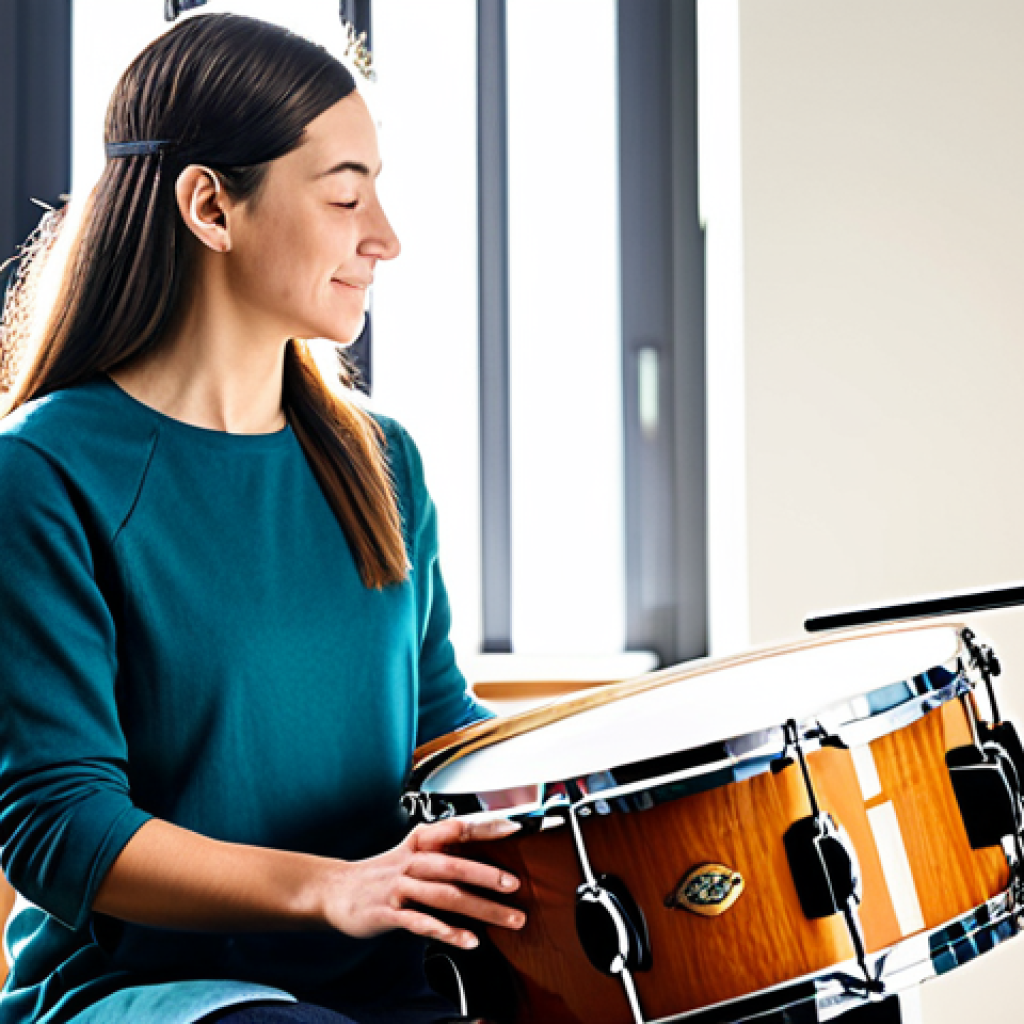
Ever feel like your mood’s a bit off-key? Or maybe you’re struggling to find the right words to express yourself? Well, music and therapy – they might just be the harmonious duet you’ve been searching for.
Music therapy isn’t just about listening to tunes; it’s a carefully crafted therapeutic approach that uses the power of sound to improve mental, emotional, and even physical well-being.
As someone who’s dabbled in both music and mindfulness, I’ve seen firsthand how powerful this combination can be. It’s been trending lately, and I think we’re going to see even more personalized music therapy programs popping up, maybe even integrating AI to tailor the experience!
Let’s delve a little deeper in the article below.
Music therapy isn’t just about strumming a guitar and singing along. It’s a deeply personal and adaptive process. It is a way for people to use music to work through emotional issues, improve their overall mental health, or even manage physical pain.
It’s like having a conversation, but instead of words, you’re using melody, rhythm, and harmony.
Unlocking Emotional Expression Through Melody
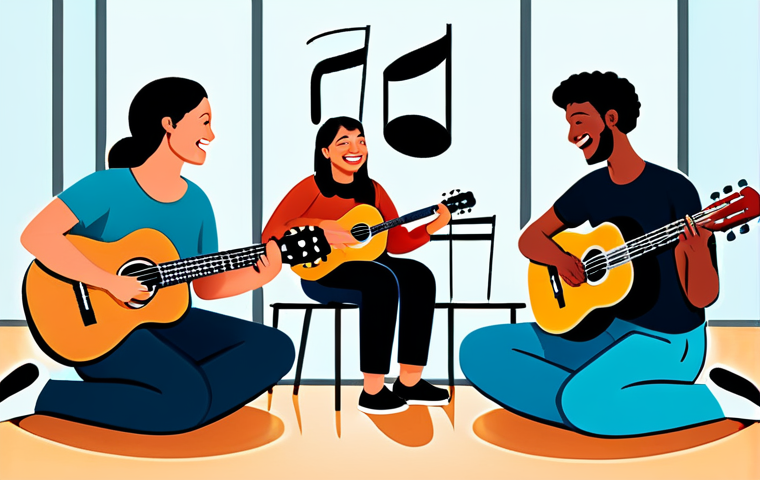
Music has a profound ability to bypass our cognitive defenses and tap directly into our emotions. As someone who’s always found it easier to express myself through a song than a conversation, I know this firsthand.
I remember one session where I was feeling incredibly anxious about an upcoming presentation. My therapist suggested improvising a melody that reflected those feelings.
At first, it was a chaotic jumble of notes, but as I played, a sense of calm started to emerge.
The Power of Improvisation
* Improvisation allows you to create music in the moment, without any preconceived notions or judgments. It’s a fantastic way to explore and express emotions that you might not even be aware of.
Think of it like free-writing, but with notes instead of words. It allows you to let your emotions flow without the constraints of structure or perfection.
Songwriting as a Therapeutic Tool
* Crafting your own song can be incredibly empowering. It gives you a chance to tell your story in your own way, processing your experiences and feelings through lyrics and melody.
It allows you to take control of your narrative and express yourself in a safe, creative space. You could be working through feelings of loss, gratitude, or hope.
It’s your way of speaking your truth through music.
Rhythm and the Regulation of Mood
Rhythm isn’t just about keeping the beat; it also has a powerful effect on our internal rhythms. Think about how a slow, steady rhythm can be calming, while a fast, energetic beat can be invigorating.
Music therapy can use rhythm to help regulate mood, reduce anxiety, and even improve focus.
Drumming for Stress Relief
* There’s something incredibly primal about drumming. The repetitive motion and the vibrations can be deeply grounding and stress-relieving. I have a friend who uses drumming to help manage her anxiety and ADHD symptoms.
The focus required to maintain a rhythm can actually quiet the mental chatter and provide a sense of calm.
Movement and Music for Emotional Release
* Combining music with movement, like dancing or even just gentle swaying, can be a fantastic way to release pent-up emotions and improve body awareness.
It’s like letting your body have a conversation with the music, expressing feelings that words can’t capture. Remember that time you cranked up your favorite song and danced around your living room after a hard day?
That’s exactly what I am talking about!
The Harmonious Blend of Music and Mindfulness
Combining music with mindfulness practices can create a powerful synergy, enhancing both the therapeutic effects of music and the calming benefits of mindfulness.
Mindful Listening Techniques
* Engaging in mindful listening, where you focus all your attention on the sounds and sensations of the music, can help you become more present in the moment and reduce anxiety.
Think of it as meditation, but with music as your anchor. Pay attention to the instruments, the melody, the rhythm, and how the music makes you feel. This practice can help you tune into your inner world and find a sense of peace.
Guided Imagery with Music
* Using music as a backdrop for guided imagery can deepen your relaxation and enhance the therapeutic experience. Imagine a peaceful scene, like a beach or a forest, while listening to calming music.
This combination can help you access deeper levels of relaxation and tap into your subconscious mind.
Music Therapy for Specific Conditions
Music therapy has been shown to be effective in treating a wide range of conditions, from anxiety and depression to chronic pain and neurological disorders.
The adaptability is what makes it so powerful.
Anxiety and Depression Relief
* Music therapy can help reduce anxiety and alleviate symptoms of depression by providing a safe and creative outlet for emotional expression. It can help you process difficult emotions, build self-esteem, and improve your overall mood.
Pain Management and Rehabilitation
* Music therapy can be used to manage chronic pain by distracting from discomfort, promoting relaxation, and releasing endorphins. It can also be used in rehabilitation to improve motor skills and cognitive function.
Finding a Qualified Music Therapist
If you’re interested in exploring music therapy, it’s essential to find a qualified and experienced therapist. Look for someone who is board-certified and has experience working with your specific needs.
Credentials and Qualifications
* Make sure your therapist is board-certified by the Certification Board for Music Therapists (CBMT). This ensures that they have met the required educational and clinical training standards.
Finding the Right Fit
* The therapeutic relationship is crucial, so it’s essential to find a therapist who you feel comfortable and safe with. Schedule a consultation to discuss your needs and goals and see if you feel like it’s a good match.
| Aspect | Description | Benefits |
|---|---|---|
| Emotional Expression | Using music to convey and process feelings. | Provides a safe outlet, enhances emotional awareness. |
| Rhythm Regulation | Employing rhythm to influence internal and external rhythms. | Reduces anxiety, improves focus, and stabilizes mood. |
| Mindful Listening | Focusing intently on the musical elements to enhance presence. | Promotes relaxation, increases mindfulness, and reduces stress. |
| Condition-Specific Therapy | Tailoring music therapy for specific mental and physical conditions. | Addresses symptoms effectively, improves overall well-being. |
Embracing Music as a Daily Wellness Tool
You don’t need to be a professional musician or even a particularly good singer to incorporate music into your daily wellness routine. Even small doses of music can make a big difference in your mood and overall well-being.
Creating a Therapeutic Playlist
* Curate a playlist of songs that evoke positive emotions, promote relaxation, or inspire you. Listen to this playlist during times of stress or when you need a mood boost.
Incorporating Music into Your Exercise Routine
* Combine music with exercise to make your workouts more enjoyable and motivating. Choose songs with a tempo that matches your activity level and let the music energize you.
So, whether you’re strumming a guitar, singing in the shower, or simply listening to your favorite tunes, remember that music has the power to heal, connect, and transform.
Music therapy isn’t a magical cure-all, but it can be a valuable tool in your journey toward greater well-being. Embrace the rhythm, let the melody move you, and discover the harmonious potential within yourself.
Music therapy isn’t just about strumming a guitar and singing along. It’s a deeply personal and adaptive process. It is a way for people to use music to work through emotional issues, improve their overall mental health, or even manage physical pain.
It’s like having a conversation, but instead of words, you’re using melody, rhythm, and harmony.
Unlocking Emotional Expression Through Melody
Music has a profound ability to bypass our cognitive defenses and tap directly into our emotions. As someone who’s always found it easier to express myself through a song than a conversation, I know this firsthand. I remember one session where I was feeling incredibly anxious about an upcoming presentation. My therapist suggested improvising a melody that reflected those feelings. At first, it was a chaotic jumble of notes, but as I played, a sense of calm started to emerge.
The Power of Improvisation
Improvisation allows you to create music in the moment, without any preconceived notions or judgments. It’s a fantastic way to explore and express emotions that you might not even be aware of. Think of it like free-writing, but with notes instead of words. It allows you to let your emotions flow without the constraints of structure or perfection.
Songwriting as a Therapeutic Tool
Crafting your own song can be incredibly empowering. It gives you a chance to tell your story in your own way, processing your experiences and feelings through lyrics and melody. It allows you to take control of your narrative and express yourself in a safe, creative space. You could be working through feelings of loss, gratitude, or hope. It’s your way of speaking your truth through music.
Rhythm and the Regulation of Mood
Rhythm isn’t just about keeping the beat; it also has a powerful effect on our internal rhythms. Think about how a slow, steady rhythm can be calming, while a fast, energetic beat can be invigorating. Music therapy can use rhythm to help regulate mood, reduce anxiety, and even improve focus.
Drumming for Stress Relief
There’s something incredibly primal about drumming. The repetitive motion and the vibrations can be deeply grounding and stress-relieving. I have a friend who uses drumming to help manage her anxiety and ADHD symptoms. The focus required to maintain a rhythm can actually quiet the mental chatter and provide a sense of calm.
Movement and Music for Emotional Release
Combining music with movement, like dancing or even just gentle swaying, can be a fantastic way to release pent-up emotions and improve body awareness. It’s like letting your body have a conversation with the music, expressing feelings that words can’t capture. Remember that time you cranked up your favorite song and danced around your living room after a hard day? That’s exactly what I am talking about!
The Harmonious Blend of Music and Mindfulness
Combining music with mindfulness practices can create a powerful synergy, enhancing both the therapeutic effects of music and the calming benefits of mindfulness.
Mindful Listening Techniques
Engaging in mindful listening, where you focus all your attention on the sounds and sensations of the music, can help you become more present in the moment and reduce anxiety. Think of it as meditation, but with music as your anchor. Pay attention to the instruments, the melody, the rhythm, and how the music makes you feel. This practice can help you tune into your inner world and find a sense of peace.
Guided Imagery with Music
Using music as a backdrop for guided imagery can deepen your relaxation and enhance the therapeutic experience. Imagine a peaceful scene, like a beach or a forest, while listening to calming music. This combination can help you access deeper levels of relaxation and tap into your subconscious mind.
Music Therapy for Specific Conditions
Music therapy has been shown to be effective in treating a wide range of conditions, from anxiety and depression to chronic pain and neurological disorders. The adaptability is what makes it so powerful.
Anxiety and Depression Relief
Music therapy can help reduce anxiety and alleviate symptoms of depression by providing a safe and creative outlet for emotional expression. It can help you process difficult emotions, build self-esteem, and improve your overall mood.
Pain Management and Rehabilitation
Music therapy can be used to manage chronic pain by distracting from discomfort, promoting relaxation, and releasing endorphins. It can also be used in rehabilitation to improve motor skills and cognitive function.
Finding a Qualified Music Therapist
If you’re interested in exploring music therapy, it’s essential to find a qualified and experienced therapist. Look for someone who is board-certified and has experience working with your specific needs.
Credentials and Qualifications
Make sure your therapist is board-certified by the Certification Board for Music Therapists (CBMT). This ensures that they have met the required educational and clinical training standards.
Finding the Right Fit
The therapeutic relationship is crucial, so it’s essential to find a therapist who you feel comfortable and safe with. Schedule a consultation to discuss your needs and goals and see if you feel like it’s a good match.
| Aspect | Description | Benefits |
|---|---|---|
| Emotional Expression | Using music to convey and process feelings. | Provides a safe outlet, enhances emotional awareness. |
| Rhythm Regulation | Employing rhythm to influence internal and external rhythms. | Reduces anxiety, improves focus, and stabilizes mood. |
| Mindful Listening | Focusing intently on the musical elements to enhance presence. | Promotes relaxation, increases mindfulness, and reduces stress. |
| Condition-Specific Therapy | Tailoring music therapy for specific mental and physical conditions. | Addresses symptoms effectively, improves overall well-being. |
Embracing Music as a Daily Wellness Tool
You don’t need to be a professional musician or even a particularly good singer to incorporate music into your daily wellness routine. Even small doses of music can make a big difference in your mood and overall well-being.
Creating a Therapeutic Playlist
Curate a playlist of songs that evoke positive emotions, promote relaxation, or inspire you. Listen to this playlist during times of stress or when you need a mood boost.
Incorporating Music into Your Exercise Routine
Combine music with exercise to make your workouts more enjoyable and motivating. Choose songs with a tempo that matches your activity level and let the music energize you.
So, whether you’re strumming a guitar, singing in the shower, or simply listening to your favorite tunes, remember that music has the power to heal, connect, and transform. Music therapy isn’t a magical cure-all, but it can be a valuable tool in your journey toward greater well-being. Embrace the rhythm, let the melody move you, and discover the harmonious potential within yourself.
In Conclusion
As we wrap up, remember that music therapy is a versatile and accessible tool for enhancing emotional and mental well-being. Whether through improvisation, mindful listening, or simply enjoying your favorite songs, incorporating music into your life can offer profound benefits. Explore its potential, and let the harmonious power of music guide you toward a more balanced and joyful existence. Consider it a self-care essential that’s both enjoyable and deeply effective.
Useful Information
1. Explore local music therapy centers: Search for music therapy clinics near you using websites like the American Music Therapy Association (AMTA) or through local hospitals and wellness centers.
2. Create personalized playlists: Use streaming services like Spotify or Apple Music to curate playlists for different moods and activities. Focus on songs that evoke positive emotions and relaxation.
3. Attend a drum circle: Look for community drum circles in your area through local community centers or online event listings. Drum circles offer a fun, interactive way to experience the benefits of rhythm.
4. Try a music and meditation app: Apps like Insight Timer and Calm offer guided meditations with calming music, helping to reduce stress and improve mindfulness.
5. Consult your health insurance: Check if your health insurance covers music therapy sessions, especially if you have specific medical conditions that could benefit from this type of therapy.
Key Takeaways
Music therapy can significantly enhance emotional expression, helping individuals to process feelings through melody and rhythm.
Rhythm regulation is a powerful tool in managing mood, anxiety, and focus, offering grounding and stress relief through drumming and movement.
Mindful listening techniques, such as focusing on musical elements during meditation, promote relaxation and reduce stress.
Music therapy can be tailored for specific conditions, effectively addressing symptoms of anxiety, depression, and chronic pain.
Integrating music into daily wellness routines, like creating therapeutic playlists, boosts mood and promotes overall well-being.
Frequently Asked Questions (FAQ) 📖
Q: So, music therapy sounds cool, but is it just for people who are, like, super into music? I can barely carry a tune!
A: Absolutely not! You don’t need to be musically gifted at all. Think of it less like a performance and more like a conversation.
The therapist uses music – whether it’s listening, playing, singing, or even writing songs – as a tool to help you explore your feelings, improve your communication skills, or manage stress.
It’s about the process, not the product. My friend Sarah, who claims she has “zero musical talent,” found it incredibly helpful in working through some anxiety issues.
She said just banging on a drum helped her release pent-up energy.
Q: Okay, that makes sense. But how is it different from just listening to my favorite playlist when I’m feeling down? Isn’t that already therapeutic?
A: That’s a great question! While listening to your favorite tunes can definitely boost your mood, music therapy is a more structured and intentional process.
A trained music therapist will work with you to identify specific goals and then use music-based interventions to address them. For example, if you’re struggling with communication, they might use songwriting to help you express yourself more clearly.
It’s the intentionality and the guidance of a professional that sets it apart. It’s like the difference between having a casual chat with a friend and seeing a professional therapist – both can be helpful, but the latter is much more focused on helping you achieve specific outcomes.
Q: This all sounds really interesting. What kind of issues can music therapy actually help with?
A: You’d be surprised! It’s used for a wide range of things, from managing chronic pain and reducing anxiety to helping people recover from strokes or traumatic brain injuries.
It can be beneficial for kids with autism, adults struggling with depression, and even seniors with dementia. I even read a study about how it helped veterans cope with PTSD.
My cousin used music therapy when she was recovering from surgery. She said it helped her relax and manage the pain more effectively than just taking medication.
The beauty of it is that it’s adaptable and can be tailored to meet individual needs.
📚 References
Wikipedia Encyclopedia
구글 검색 결과
구글 검색 결과
구글 검색 결과
구글 검색 결과
구글 검색 결과