Hey everyone! If you’re anything like me, you’ve probably spent countless hours chasing that elusive perfect guitar tone. You know, that moment when your amplifier just *sings*, and every note you play feels right.
It’s frustrating, isn’t it, when your sound feels… well, just *okay*? With the sheer variety of amps out there today, from classic tube beasts to modern digital marvels and even innovative hybrid setups, finding your unique voice can feel overwhelming.
But what if I told you that unlocking your amp’s true potential isn’t just for the pros? I’ve personally experimented with countless settings and tweaks over the years, discovering little tricks that make a huge difference, not just in the practice room but on stage too.
It’s all about understanding the subtle nuances and how to make your gear work for *you*. So, you’ve got your guitar, your pedals are all lined up, but something’s still missing from that ultimate sound?
Your amp is the beating heart of your tone, and getting it perfectly dialed in can literally transform your playing. Forget relying on factory presets or someone else’s settings; let’s discover how you can fine-tune your amplifier to achieve a sound that’s uniquely yours.
We’re going to dive deep into practical, real-world methods that pros and amateurs alike use to get the absolute best out of their gear, ensuring every riff and chord resonates exactly how you envision it.
Below, we’ll explore exactly how to get your guitar amp sounding absolutely phenomenal.
Cracking the Code of Your Amp’s Front Panel
Understanding the EQ: Beyond Treble, Mids, and Bass
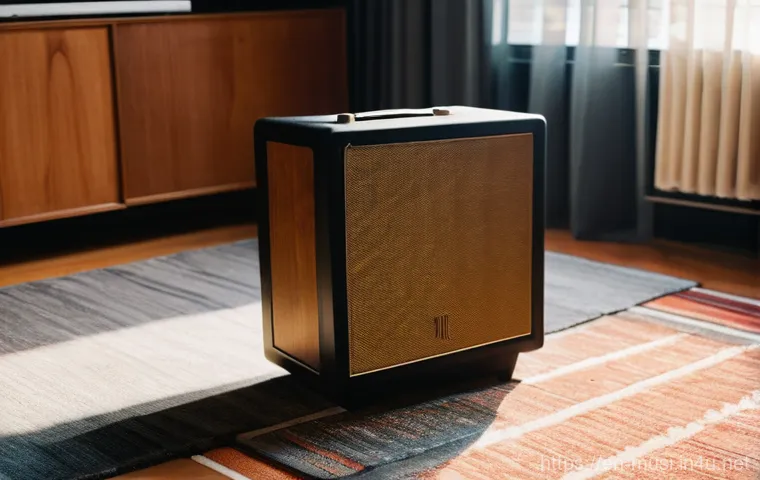
Alright, let’s kick things off with the most obvious but often misunderstood controls: the EQ knobs. You’ve got your Treble, Mid, and Bass, right? Simple enough.
But I’ve seen so many players just dime them or scoop the mids without really *listening*. My personal journey with EQ started with a lot of trial and error, and honestly, a lot of terrible sounds!
What I discovered is that these aren’t just tone shapers; they’re frequency filters. Treble isn’t just “bright”; it controls clarity and articulation, sometimes even adding a bit of harshness if overdone.
Bass adds warmth and girth, but too much can make your sound muddy and lose definition, especially in a band mix. And then there are the Mids – oh, the glorious Mids!
These are where your guitar really *sings* and cuts through. I used to scoop them heavily for that “metal” sound, only to disappear in a live setting.
Now, I understand that a slight boost in the mids, or even just leaving them neutral, gives your guitar a voice. Different amps have different EQ voicings too.
A Fender’s EQ behaves differently than a Marshall’s, for instance. It’s not just about what sounds good in your bedroom, but what allows your guitar to speak clearly in any musical context.
Experiment with small, subtle adjustments; you’ll be amazed at how much difference a tiny tweak can make. Think of it like seasoning a dish – a pinch here, a dash there, rather than dumping the whole shaker in.
Gain, Volume, and Master: The Power Trinity
This trio is where the magic (and sometimes the madness) happens. Gain, often labeled “Pre-Volume” or “Drive,” is your saturation control. It’s how much signal is hitting your amp’s preamp section, determining how much dirt and sustain you get.
Then there’s the Volume, or “Post-Volume” on some amps, which dictates the overall loudness *after* the preamp, before it hits the power tubes. And finally, the Master Volume, usually found on amps with a separate gain stage, lets you crank the gain for glorious distortion while keeping the overall output volume manageable.
I remember the days when I thought cranking the gain to ten was the only way to get a heavy sound. Boy, was I wrong! I eventually learned that a lower gain setting, pushed by the guitar’s volume knob or a boost pedal, often yields a more dynamic and articulate overdriven tone.
For clean tones, you’d typically keep the gain lower and bring up the volume. For crunch, you’d balance the gain and volume to get that sweet spot where the amp just starts to break up.
On a master volume amp, you can crank the gain for full saturation and then use the master to control the ear-splitting volume. It’s a delicate dance, and finding that perfect balance for your style and your environment is key.
Trust me, it takes time, but it’s incredibly rewarding when you dial it in just right.
Unleashing Tone Through Speaker and Room Dynamics
The Unsung Hero: Speaker Selection and Cabinet Magic
You might think your amp head is the be-all and end-all, but let me tell you, the speakers and cabinet are just as crucial, if not more so, to your overall tone.
I’ve personally experienced jaw-dropping transformations just by swapping out speakers or trying a different cabinet. Different speakers have distinct tonal characteristics – some are bright and punchy, others are warm and woody, and some have a tight, focused bass response.
For instance, a classic Celestion Greenback has that beloved mid-range growl, while a Vintage 30 offers more aggressive highs and lows. It’s not just about the brand; it’s about the magnet type, cone material, and even how it’s broken in.
A new speaker sounds different from one that’s been played for hundreds of hours. Then there’s the cabinet itself. An open-back cabinet usually provides a more ambient, spread-out sound, great for cleans and lighter crunch, while a closed-back cabinet offers a more directional, tight, and bass-heavy punch, perfect for high-gain rock and metal.
I remember upgrading from a cheap combo amp’s stock speaker to a high-quality replacement – it was like lifting a blanket off my sound! Don’t underestimate the impact of these components; they truly color your tone in ways the amplifier itself cannot.
Room Acoustics: Your Secret Sound Engineer
This is one of those “aha!” moments I had early in my playing career. You can have the best amp in the world, perfectly dialed in, but if you’re playing it in a terrible room, it’s all for naught.
Room acoustics play an absolutely massive role in how your amp sounds to *you* and to an audience. Think about it: hard, reflective surfaces like concrete walls or large windows will make your sound brighter, harsher, and can cause unwelcome reflections and standing waves.
Soft furnishings, carpets, curtains, or even strategically placed bookshelves can absorb some of those frequencies, taming the harshness and making your sound clearer and more defined.
I’ve played gigs where the same amp setup sounded incredible in one venue and utterly dreadful in another, purely due to the room’s characteristics. Even in your practice space, just moving your amp a few feet away from a wall or off the floor can dramatically change its perceived tone.
Elevating your amp, for example, often helps to project the sound better and reduces bass coupling with the floor, which can sometimes make your sound boomy.
Consider what’s behind and around your amp – a corner can act as a bass trap, making your low end overwhelming. It’s like having a secret sound engineer built into your environment!
The Symbiotic Relationship Between Pedals and Your Amp
Preamp vs. Power Amp: Where Do Your Pedals Shine?
Understanding where to place your pedals in your signal chain can dramatically alter your sound. Generally, most overdrive, distortion, compression, and wah pedals go into the front input of your amp, effectively hitting the preamp section.
This is because these pedals are designed to interact with your amp’s preamp, pushing it harder, adding gain, or shaping the input signal. I’ve found that a good overdrive pedal, set with its own gain low and volume high, can push a slightly breaking-up amp into glorious sustain and harmonic richness, almost like a second gain stage.
However, time-based and modulation effects like delay, reverb, chorus, and flanger often sound much better in the amp’s effects loop, if it has one. Why?
Because these effects are meant to process the *already amplified* sound, after the preamp has done its work. Sending a fully distorted signal through a delay pedal into the front input can often result in a messy, indistinct wash of sound.
Placing it in the loop, however, allows the delay repeats to be clear and articulate, sitting *on top* of your distorted tone rather than getting muddled within it.
Experimentation is key here; some players prefer certain delays or modulations in front for a unique flavor, but knowing the conventional wisdom is a great starting point for finding your own voice.
Daisy Chains, Power Supplies, and Noise Gates: Taming the Beast
Let’s talk about power, because nothing ruins a killer tone faster than unwanted noise. I’ve been there, daisy-chaining multiple pedals from a single power supply, only to be plagued by hum and hiss.
Investing in a quality isolated power supply was one of the best decisions I ever made for my pedalboard. Isolated outputs prevent ground loops and ensure each pedal gets clean, consistent power, leading to a much quieter and clearer signal.
It’s not just about the power supply; your cables matter too. Cheap, unshielded cables can introduce noise and degrade your signal. As for noise gates, they’re not just for metalheads!
While essential for high-gain situations to prevent feedback and hum between riffs, a subtle noise gate can clean up even a lightly overdriven tone. I typically place my noise gate early in the chain, after my dirt pedals but before any time-based effects, to clamp down on any preamp noise.
However, some players use two gates – one before the amp’s input and one in the effects loop – for ultimate noise reduction. It all depends on your setup and how much gain you’re running.
A clean power supply and quality cables are your first line of defense; a well-placed noise gate is your ultimate secret weapon against sonic clutter.
Embracing Your Amp’s Soul: Tube, Solid-State, or Hybrid?
The Warm Glow of Tubes: Classic Tone, Modern Demands
Ah, tube amps. There’s a reason why they’ve been the undisputed champions of guitar tone for decades. That organic warmth, the way they compress and respond to your touch, the rich harmonic complexity when pushed – it’s just magical.
I’ve spent countless hours staring at glowing tubes in a darkened room, marveling at the sheer sonic beauty. The “feel” of a tube amp is truly unique; it’s dynamic, alive, and feels like an extension of your fingers.
However, tube amps aren’t without their quirks. They require maintenance – tubes wear out and need replacing, they can be fragile, and they often need to be played *loud* to truly open up and deliver that sweet power amp saturation.
Getting a great cranked tube amp tone in a bedroom setting can be challenging, which is why attenuators have become so popular. They also tend to be heavier and more expensive.
But for many, including myself, the trade-offs are worth it for that unparalleled responsiveness and the creamy, articulate breakup that only tubes can provide.
It’s a relationship, really; you nurture them, and they reward you with glorious tone.
Solid-State and Hybrid: Modern Contenders with Their Own Charm
While tube amps often hog the spotlight, solid-state and hybrid amps have come leaps and bounds, offering incredible value and versatility. Solid-state amps, using transistors instead of tubes, are known for their reliability, consistency, and often much lower price point.
They’re typically lighter, require zero tube maintenance, and can deliver pristine cleans or incredibly tight, high-gain sounds at any volume. I’ve found that modern solid-state amps from brands like Roland or Quilter can produce astonishingly good clean tones and take pedals exceptionally well.
Hybrid amps offer a fascinating middle ground, often combining a tube preamp with a solid-state power section, or vice-versa. This can give you some of that tube warmth and breakup characteristics without the full maintenance demands or weight of an all-tube design.
The digital modeling amp revolution has further blurred these lines, with digital amps now emulating classic tube tones with startling accuracy. What I’ve learned is that it’s no longer just about tubes being “better.” It’s about finding the tool that best suits your needs, your budget, and the sound you’re chasing.
Don’t let snobbery dictate your choices; an incredible tone can come from any type of amplifier if you know how to work with it.
Beyond the Basics: Amp Maintenance and Secret Tweaks
Keeping Your Amp in Top Shape: A Little TLC Goes a Long Way
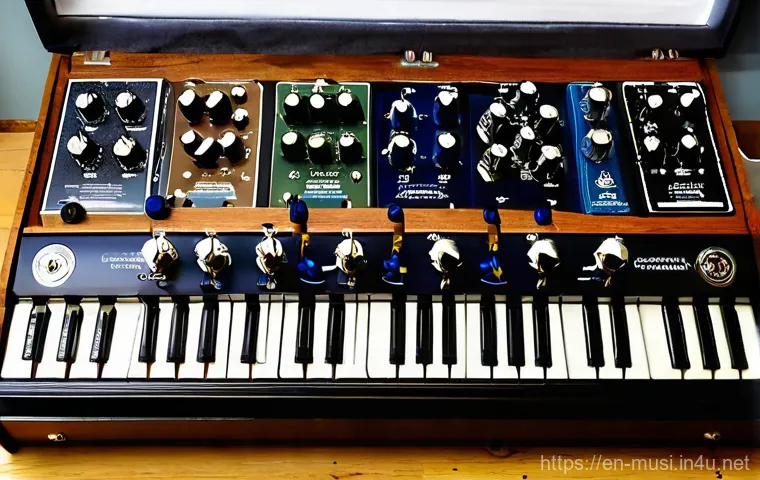
Just like any instrument, your amplifier needs a little love and care to perform its best and keep sounding incredible for years. And I’m not just talking about dusting it off!
Regular maintenance is crucial, especially for tube amps. Tubes, as I mentioned, don’t last forever. They gradually degrade, leading to a loss of tone, volume, or even strange noises.
Knowing when to replace them, or at least having a spare set, can save a gig. I learned this the hard way during a live show when a power tube decided to die mid-song – not fun!
It’s also wise to have your amp serviced by a qualified technician every few years, especially if it’s a tube amp. They can check bias, solder joints, and replace any components that are showing signs of wear.
For all amps, regularly checking your speaker cables is vital; a bad cable can cause intermittent sound or even damage your amp. Keep your amp in a relatively clean, dry environment, and avoid extreme temperature changes.
Treating your amp well isn’t just about longevity; it’s about ensuring it always delivers that consistent, killer tone you’ve worked so hard to achieve.
The Magic of External Enhancements: Attenuators and EQ Pedals
Sometimes, the missing piece isn’t inside your amp but *outside* it. I’m talking about external tools that can help unlock tones you thought were impossible.
Take attenuators, for instance. For tube amp players, an attenuator is a godsend. It allows you to crank your amp’s volume and power section into its sweet spot – where those glorious tube harmonics and compression really kick in – without blowing out your eardrums or getting evicted.
I use one extensively for recording and practice, and it’s truly transformed how I interact with my high-wattage amps. Then there are EQ pedals. While your amp has its own EQ, a graphic or parametric EQ pedal can offer surgical control over your frequencies.
I often use an EQ pedal in the effects loop to fine-tune my overall sound, cutting problem frequencies or boosting specific ones to help me cut through a mix.
It’s like having a mini-mixing console for your guitar tone. Additionally, a good quality boost pedal can do wonders. It’s not just for solos; a clean boost can push your amp harder into natural overdrive or simply add more presence and clarity without adding grit.
These external tools are often overlooked, but they can be game-changers in sculpting your ultimate sound.
Finding Your Voice: Tailoring Your Tone to Your Style
Genre Specifics: Crafting Your Sound for Any Musical Landscape
One of the most exciting parts of dialing in your amp is shaping your tone to fit different musical genres. What works for a blues gig isn’t going to cut it for a metal band, and vice versa.
I’ve spent countless hours trying to nail the perfect tone for everything from jazz fusion to progressive rock, and what I’ve learned is that flexibility is key, but so is understanding the sonic hallmarks of each style.
For jazz, you’re usually aiming for a warm, clean, articulate tone with plenty of headroom, often achieved with a clean solid-state amp or a very clean tube amp with minimal breakup.
Blues, on the other hand, thrives on that sweet, dynamic edge-of-breakup tone, where your guitar’s volume knob dictates the grit – think a slightly overdriven Tweed-style amp.
Rock and metal demand more gain, tightness, and usually a focused mid-range to cut through a dense mix, often achieved with high-gain tube amps or sophisticated digital modelers.
It’s not just about turning up the gain; it’s about how the entire signal chain, from your guitar’s pickups to your amp’s EQ, contributes to that specific sonic identity.
Don’t be afraid to break the rules, but starting with an understanding of genre conventions gives you a solid foundation for creative exploration.
The Player’s Touch: Your Hands as the Ultimate Tone Control
This might sound cliché, but hear me out: your hands are the ultimate tone control. No matter how perfectly you dial in your amp or how expensive your gear, if you don’t play with dynamics and intention, your tone will sound flat.
I’ve witnessed incredible guitarists make simple, cheap gear sing purely through their touch. The attack of your pick, the strength of your strum, how you fret the notes, whether you use your fingers or a pick – all these elements profoundly impact the sound that hits your amp.
A lighter touch will often yield a cleaner, more delicate sound, while digging in harder can push your amp into natural compression and overdrive. Think about how many legendary players are identifiable purely by their touch and phrasing, even on different gear.
It’s an intangible quality, but it’s something you develop over years of playing and truly *listening* to what your hands are doing. So, while we spend all this time tweaking knobs and swapping pedals, never forget that the most powerful tone-shaping tools are literally at your fingertips.
Practice playing dynamically, with varying attack and intensity, and you’ll unlock a whole new dimension in your sound that no piece of gear alone can provide.
Mastering the Master Volume: Achieving Great Tone at Any Level
The Bedroom vs. The Stage: Taming Your Beast for Any Environment
Let’s be honest, we all love cranking our amps, feeling that air move, and letting those tubes really sing. But for most of us, that’s not always a practical reality, especially if you live in an apartment or play small gigs.
This is where mastering your master volume control becomes paramount. For non-master volume amps, getting that sweet spot at lower volumes is incredibly difficult, often requiring an attenuator.
But for amps equipped with a master volume, you have a powerful tool at your disposal. The key is to find the balance between your gain (preamp volume) and master (power amp volume).
You can push the gain for saturation and then use the master to dial back the overall output. However, don’t just crank the gain and leave the master on 1.
That often sounds thin and buzzy. I’ve found that pushing the master volume up to at least 3 or 4, even for bedroom levels, allows the power tubes to engage a bit more, adding girth and a more natural feel to the tone.
It’s a compromise, of course, but a carefully balanced gain/master setting can give you surprisingly good tones at lower volumes. For stage use, you’ll likely push both higher, but the principles of balancing them remain the same to achieve clarity and punch without overwhelming the sound engineer or your bandmates.
The Role of Power Scaling and Attenuation in Tone Preservation
For those seeking true cranked tube amp tone without the ear-splitting volume, power scaling and attenuators are absolute lifesavers. Power scaling, often built directly into an amp, allows you to reduce the output wattage, essentially letting the power tubes work harder at lower volumes.
This means you can get that glorious power tube breakup, compression, and harmonic richness without the deafening output. Attenuators, on the other hand, are external devices that sit between your amp’s speaker output and the speaker cabinet, absorbing a portion of the power and converting it to heat, allowing you to run your amp loud but hear it quietly.
I’ve relied heavily on an attenuator for recording and even for smaller gigs where my 50-watt amp would simply be too much. It truly unlocks the full potential of your amplifier, allowing you to explore tones that would otherwise only be accessible at ear-damaging volumes.
Without these tools, many tube amp owners would be stuck with just preamp distortion, missing out on that vital power amp saturation. They’re an investment, but if you want to consistently achieve that “amp on 10” tone without the decibels, they are indispensable.
| Amp Control / Feature | Key Function | Pro Tip / Common Mistake to Avoid |
|---|---|---|
| Gain / Pre-Volume | Controls preamp saturation and distortion level. | Don’t always max it out; find the sweet spot where it interacts well with your guitar’s output. |
| Master Volume | Controls overall output volume post-preamp. | Push it a bit (e.g., to 3 or 4) even at lower volumes to engage the power section for better tone. |
| Bass EQ | Adjusts low frequencies for warmth and girth. | Too much can make your sound muddy; be mindful in a band mix. |
| Mid EQ | Controls critical frequencies for presence and cut. | Don’t scoop them excessively; mids help your guitar stand out. |
| Treble EQ | Shapes high frequencies for brightness and clarity. | Overdoing it leads to harshness; aim for articulation, not shrillness. |
| Effects Loop | Allows time-based and modulation effects to process the amp’s tone. | Use it for delays, reverbs, and modulation for clarity; avoid putting dirt pedals here. |
| Speaker Type | Significantly colors the overall tone and response. | Experiment with different speakers; they can drastically change your amp’s character. |
| Attenuator | Reduces overall volume while allowing amp to be cranked. | Essential for getting cranked tube tones at manageable volumes, great for recording. |
Wrapping Things Up
Whew! We’ve covered a lot of ground today, haven’t we? It’s truly amazing how many layers there are to uncovering the perfect guitar tone. From tweaking those EQ knobs to understanding the profound impact of your speakers and even the room you’re in, every element plays a crucial role. I hope my shared experiences and insights have given you a fresh perspective and perhaps even ignited a new spark of curiosity to dive deeper into your own amp’s capabilities. Remember, tone is a journey, not a destination, and every twist of a knob or pedal swap opens up a world of sonic possibilities. Keep exploring, keep experimenting, and most importantly, keep listening with your ears and your heart.
Good to Know Info
1. Always warm up your tube amp for a few minutes before playing, and let it cool down before moving it to prolong tube life. Don’t rush it!
2. If you’re struggling with muddiness, try slightly cutting the bass on your amp and compensating with a touch more mid-range; it often helps your guitar sit better in a band mix without losing fullness.
3. Invest in good quality instrument and speaker cables. Cheap cables can degrade your signal and even cause noise, making all your careful tone-sculpting efforts less effective.
4. Experiment with amp placement. Moving your amp even a foot or two from a wall or off the floor can drastically change its bass response and overall clarity. Small changes, big impact!
5. Don’t be afraid to record yourself playing. Listening back objectively is one of the best ways to identify areas where your tone could be improved or where you’re truly nailing it.
Key Takeaways
Ultimately, your amplifier is more than just a box that makes noise louder; it’s a dynamic instrument in its own right, waiting for you to unlock its full potential. My journey, much like many of yours, has been filled with countless hours of trial and error, but that’s where the real learning happens. We’ve explored how seemingly small adjustments to your EQ can dramatically alter your sound’s character, emphasizing that the “right” setting is always subjective and context-dependent. Remember that the interaction between gain, volume, and master controls is paramount for achieving everything from pristine cleans to searing distortion, and that understanding this trinity allows you to sculpt your sound for any setting, from a quiet practice space to a roaring stage. Furthermore, we’ve peeled back the layers to reveal the often-underestimated impact of your speakers, cabinet, and even the room acoustics on your final tone, proving that the entire signal chain is truly a system. And let’s not forget the crucial role of external tools like attenuators and EQ pedals, which can offer surgical precision and volume control that your amp alone might not provide. Every guitarist’s path to their signature sound is unique, and while the gear offers endless possibilities, your hands and ears remain the most powerful tools in your arsenal. Trust your instincts, embrace the process, and most importantly, enjoy the glorious sounds you create!
Frequently Asked Questions (FAQ) 📖
Q: What’s the real difference between tube, solid-state, and digital amps, and which one is right for me?
A: Oh, this is a classic question, and trust me, I’ve spent enough time agonizing over it myself! It really boils down to how they create their sound. Tube amps, also known as valve amps, are the old-school heroes.
They use vacuum tubes to amplify your guitar’s signal. What I’ve found is that they have this incredible “warmth” and a natural, organic-sounding distortion or “overdrive” when pushed.
They’re super responsive to your playing dynamics – hit the strings hard, and you get more grit; play softly, and it cleans right up. That “sag” or “spongy” feel is something many players, especially in traditional rock and blues, absolutely crave.
The downside? Tubes are fragile, can wear out, and they often sound their best when they’re loud. I remember having a beautiful tube amp that just sang at gig volume, but trying to get that same magic at home practice levels was a real struggle!
Then you’ve got solid-state amps. These use transistors and other electronic components instead of tubes. They’re generally more durable, lighter, and often much less expensive.
For a long time, they had a reputation for being a bit “cold” or “sterile” compared to tubes, but modern solid-state amps have come a long way. If you’re looking for super clean tones, especially for jazz, or a consistent, reliable sound without the maintenance of tubes, solid-state can be fantastic.
They also tend to sound good at lower volumes, which is a huge plus for home practice. And finally, digital or modeling amps. These are often solid-state amps with built-in microprocessors that use algorithms to simulate the sounds of various tube amps, speaker cabinets, and even effects.
Talk about versatility! I’ve used modeling amps that could mimic a classic British stack one minute and a vintage American tweed amp the next, all from one box.
They’re amazing for practice, recording direct, and experimenting with a huge range of tones without owning a dozen different amps. They’re also great for silent practice with headphones.
While some purists argue they don’t quite capture the feel of a tube amp, top-tier digital modelers are incredibly convincing these days. So, which is right for you?
If you love that rich, dynamic, touch-sensitive feel and don’t mind the maintenance (and often higher price tag), a tube amp might be your soulmate. If reliability, portability, lower cost, and great clean tones are key, solid-state could be perfect.
And if you want a Swiss Army knife of tones for practice, recording, or gigging light, a digital modeling amp offers incredible value and flexibility.
Honestly, the “best” one is the one that inspires you to play. I always recommend trying out as many as you can!
Q: My amp’s EQ knobs – Bass, Mid, Treble – always confuse me. How should I set them to actually get a good sound?
A: You are definitely not alone on this one! I remember when I first started, I’d just haphazardly crank knobs, hoping for the best, and usually ending up with a muddy mess or an ice-pick-to-the-ear tone.
The EQ controls are your tone-sculpting superpower, and once you understand them, it’s a game-changer. First off, think of your EQ knobs (Bass, Mid, Treble) as controlling different frequency ranges.
Bass handles the low-end thump, Mids give your sound its body and presence, and Treble adds brightness and clarity. Here’s my go-to approach:
1. Start Flat or at Noon: Many amps have a “neutral” or “flat” setting where all the EQ knobs are at 12 o’clock (the middle position).
This gives you the natural sound of your amp without any boosts or cuts. Now, a little insider tip: some Fender amps actually consider “flat” to be all knobs on 10, as their EQs are subtractive.
It’s always worth checking your amp’s manual, but 12 o’clock is usually a safe starting point. 2. Bass (Low Frequencies): Turn this up for more warmth and a thicker, fatter sound.
Great for heavy rock riffs or a full jazz tone. But be careful! Too much bass, especially with distortion, can make your sound muddy and indistinct.
I usually keep my bass around 4-6; too much lower than that and it sounds thin, too much higher and my low E string just turns into a rumble. 3. Mids (Mid-Range Frequencies): This is where your guitar’s voice really lives.
Boosting the mids can make your guitar stand out in a band mix, giving it a fuller, more pronounced sound – essential for cutting lead tones or classic rock crunch.
On the flip side, “scooping” the mids (turning them down) gives you that aggressive, modern metal sound, pushing the bass and treble forward. For a long time, I blindly scooped my mids because everyone said that’s what metal players did.
But then I realized I was disappearing in the mix! Now I’m much more selective, often keeping my mids around 5-7 for a good balance. 4.
Treble (High Frequencies): This adds sparkle, brightness, and attack to your tone. Perfect for jangly clean tones, funk rhythms, or to make solos cut through.
But again, too much treble can be harsh, piercing, or tinny. If your ears are hurting, ease back! I generally aim for clarity without harshness, usually around 5-7.
The key is to make small adjustments and listen carefully. Every guitar, every amp, and every room is different. Experimentation is your best friend here!
Don’t be afraid to try radical settings just to hear what they do, then dial it back to something usable.
Q: I always confuse “Gain” and “Volume” on my amp. What’s the real difference, and how should I set them for the best tone?
A: Oh, this is probably one of the most common and confusing aspects of guitar amps, even for experienced players! I’ve had countless conversations backstage trying to explain this, so you’re in good company.
While they both make things “louder” in a way, they do it at very different stages of your amp’s circuitry and have distinct impacts on your tone. Think of your amp as having two main sections: the preamp and the power amp.
Gain (or sometimes “Drive”) is primarily a preamp control. It controls how much signal strength goes into the preamp stage. When you increase the gain, you’re not just making it louder; you’re pushing the preamp tubes (or transistors in a solid-state amp) harder.
This is where your amp generates its natural distortion, overdrive, and sustain. Low Gain: Gives you clean, sparkling tones, great for jazz, country, or pristine rhythm playing.
Moderate Gain: Adds a touch of grit, warmth, and “crunch” – perfect for blues, classic rock, and edgy rhythm guitar. High Gain: Takes you into saturated distortion territory, ideal for hard rock, metal, and soaring lead solos.
My personal experience? Cranking the gain too high on its own, without balancing it, often just leads to a muddy, indistinct sound that lacks punch. I’ve learned that less is often more when it comes to gain, especially if you want your notes to remain articulate.
Volume (or “Master Volume” if you have one) is the power amp control. This dictates the overall loudness of the sound leaving your amp and coming out of the speakers.
It’s the “loudness” knob for your carefully sculpted tone. Here’s the trick to setting them:
1. Start with your desired tone: First, dial in your Gain to get the character of the sound you want – whether it’s clean, crunchy, or heavily distorted.
Don’t worry about the overall loudness yet. I usually start with the gain low and slowly bring it up until I hear that sweet spot of breakup or saturation.
2. Set your overall loudness: Once you’ve got your desired tone character from the gain, then use your Volume (or Master Volume) knob to adjust how loud that sound is coming out of your speakers.
This means you can have a heavily distorted tone from high gain, but still keep the overall volume quiet enough for home practice, or crank it up for a gig!
Remember, gain shapes the sound, and volume sets how loud that shaped sound is. By understanding this, you’ll unlock so many tonal possibilities and avoid that frustrating “muddy but quiet” or “loud but messy” sound I know we’ve all encountered!