You can begin playing the harp with a comfortable seat, a properly positioned instrument, and a few slow finger-plucking exercises. For many beginners, a lever harp, a short rental period, or a first lesson offers a practical way to test comfort before making a larger commitment.
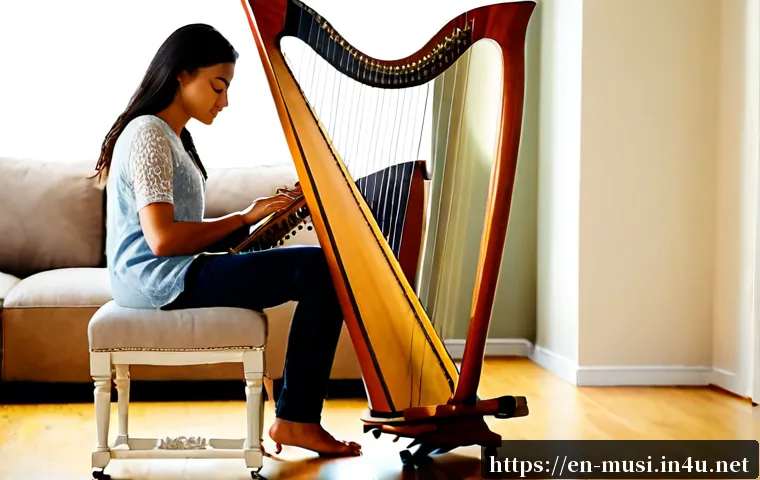
Harps are normally played with the fingers rather than a pick, so early progress depends more on relaxed hand placement than on playing quickly. Start with short, regular sessions and listen carefully to each note.
If you are comparing harp lessons, rentals, or used instruments, focus on fit, support, and your musical direction—not just the initial purchase decision.
A teacher can be especially helpful when posture, hand tension, or tuning feels confusing.
At a Glance
- Begin with comfort: seating height and harp angle directly affect hand control.
- Learn slowly first: clean finger plucks, relaxed shoulders, and steady timing matter before full songs.
- Compare options by goals: lessons, harp rentals, used instruments, and lever harps suit different starting situations.
| Starting Option | Best For | What to Compare | Support Level |
|---|---|---|---|
| Self-study with videos | Independent learners who can practice consistently | Clear beginner instruction, tuning guidance, posture demonstrations | Limited direct feedback |
| Private harp lessons | Players who want technique feedback early | Teacher availability, lesson format, cancellation terms, instrument access | Direct and personalized |
| Group lessons | Beginners who enjoy shared learning | Class size, pace, access to individual questions | Shared instructor support |
| Harp rental | People testing comfort before purchasing | Delivery, return terms, tuning support, maintenance and insurance details | Varies by provider |
| Used harp purchase | Buyers ready to inspect a specific instrument | Condition, string spacing, weight, range, tension, and service history | Depends on seller and local support |
The Fastest Safe Way to Begin
The fastest safe start is not about rushing into songs. It is about building a stable setup, learning a relaxed plucking motion, and repeating a few small movements consistently. A beginner can make a useful start with a harp, a supportive chair or bench at a suitable height, and a way to tune or check tuning. The exact instrument size and tension should be chosen for physical comfort, musical goals, and practical access to lessons or support.
The Minimum Equipment and Setup a Beginner Needs
You need an instrument that can be positioned securely, a seat that lets you sit without reaching or hunching, and enough space to place the harp at a comfortable angle. Harps are commonly played with the fingers rather than a pick. That makes your hand position central from the first session.
A rental harp can be a sensible starting option when you are unsure about transport, weight, string spacing, or long-term commitment. Before arranging a harp rental, ask what is included and where to find details about delivery, tuning support, maintenance responsibility, insurance, and return terms.
A Three-Step First Practice Session
- Set your position: sit upright without stiffening, place the harp securely, and let your shoulders drop.
- Find a comfortable hand shape: bring your fingers to the strings without flattening or locking the wrists.
- Pluck slowly and listen: play one note at a time, then pause long enough to notice whether the sound is clean and even.
Keep this first session simple. The aim is control, not volume or speed. If your hands feel strained, revisit seating height and harp angle before adding more material.
What to Focus on Before Attempting Full Songs
Before working through full arrangements, focus on placing the fingers deliberately, producing clear notes, and moving between nearby strings without tension. A slow pattern played with a relaxed body is more useful than a difficult piece played with hurried motion. Listening matters because it helps you notice uneven tone, missed strings, and notes that may need tuning.
Learn the Core Technique Before Building Speed
Good harp technique begins with alignment. Comfort, balance, and relaxed movement give you more control than forceful playing. Different harp models can feel very different, so adjust your approach to the instrument in front of you rather than copying a fixed position that feels uncomfortable.
Sitting Position, Harp Placement, and Relaxed Shoulders
Your seat should allow you to reach the strings without lifting your shoulders or collapsing forward. Place the harp at an angle that supports your hands naturally. If you must twist, stretch, or hold the instrument with unnecessary tension, pause and change the setup.
This is one reason a trial lesson or a local harp rental can be valuable. An instructor or rental provider may help you identify whether the instrument’s height, weight, or string layout feels manageable in your own practice space.
Hand Shape, Finger Placement, and Clean Plucking
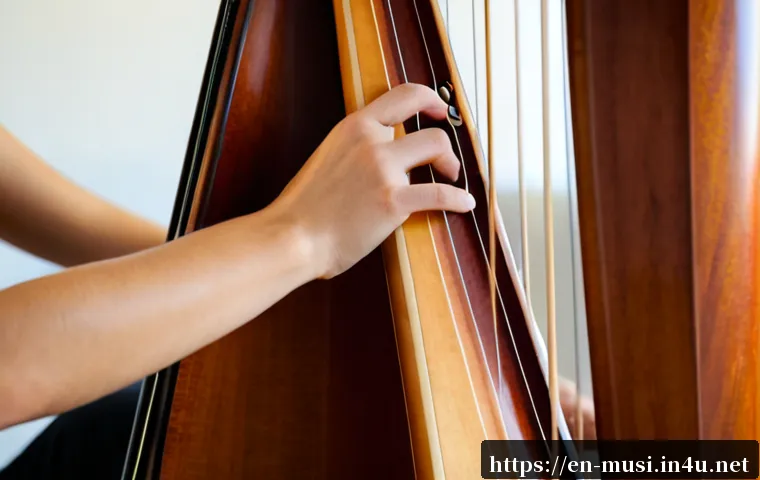
Use your fingers to contact the strings with control, then release in a smooth motion. Avoid gripping the strings or snapping at them. Keep your wrists from becoming rigid, and let each hand return to a relaxed shape after playing.
Start with individual notes and small patterns. Pay attention to whether every note speaks clearly. Speed can come later; a clean, repeatable motion is the foundation for coordination between both hands.
Tuning Basics and Why Listening Matters
Listening is part of technique. A harp that is not in tune can make it harder to recognize pitch relationships and evaluate your own playing. Check tuning as part of your regular routine, especially before focused practice. If tuning feels unfamiliar, ask a harp teacher, rental provider, or instrument specialist where to find beginner guidance for your particular model.
Lessons, Videos, or Self-Study: Which Route Offers Better Value?
The best learning route depends on how confidently you can assess your own posture and progress. Videos can be flexible, while private or group music lessons provide a structure that may help beginners correct habits earlier. Value is not only about the lesson fee; it also includes feedback, scheduling, access to an instrument, and whether the format keeps you practicing.
Comparison Table: Cost Factors, Feedback, Flexibility, and Progress Support
| Learning Route | Cost Factors to Check | Feedback | Flexibility | Progress Support |
|---|---|---|---|---|
| Self-guided learning | Learning materials and instrument access | Self-assessment | High | Depends on consistency and quality of resources |
| Private lessons | Lesson format, package terms, travel or online setup | Individual feedback | Depends on teacher scheduling | Strong support for technique and questions |
| Group lessons | Course structure, attendance terms, instrument requirements | General and shared feedback | Set class times | Useful for routine and community learning |
When a Beginner Benefits Most from a Teacher
A teacher is especially useful when you are unsure whether your seating position is correct, your wrists feel tense, or you cannot tell why certain notes sound inconsistent. A teacher can also help match beginner exercises to your instrument type. This does not mean self-study cannot work; it means direct feedback may save time when a physical technique issue keeps returning.
Questions to Ask Before Booking a Lesson Package
- Does the teacher work with beginners and the type of harp I can access?
- Are lessons available in person, online, or both?
- What should I prepare before the first session?
- Can the teacher advise on rental options or suitable instrument features?
- Where can I review scheduling, package, and cancellation terms before booking?
Choose a lesson format that you can attend regularly. Consistent contact and regular practice are often more useful than an ambitious plan that is difficult to maintain.
Build a Beginner Practice Routine Without Overuse
Short, consistent practice sessions generally help beginners build coordination more effectively than occasional long sessions. A realistic routine should leave time for setup, tuning checks, focused technique, and a calm finish. Do not treat discomfort as something to push through; adjust your position and reduce the task when needed.
A Realistic 15- to 30-Minute Session Structure
- Check your seat, harp placement, and shoulder position.
- Listen and check tuning before detailed work.
- Play slow single-note plucks and easy patterns.
- Practice a small section or coordination drill at a controlled tempo.
- Finish by repeating one relaxed, clean pattern rather than stopping on a rushed attempt.
The amount of time that suits you will vary. What matters is that the session is short enough to preserve attention and relaxed movement.

Simple Coordination Drills for Both Hands
Try alternating a small number of nearby strings between the hands. Keep the pattern easy enough that you can listen to every note. Another useful approach is to play a short pattern with one hand, pause, then repeat it with the other. Only combine the hands after each one feels settled on its own.
Use a slow tempo. If the sound becomes uneven, simplify the drill instead of forcing a faster pace.
Common Mistakes: Tense Wrists, Rushed Tempo, and Skipped Tuning
Tense wrists can reduce control and make playing feel harder than it needs to be. Rushed tempo hides unclear finger placement and weak coordination. Skipped tuning can make careful listening less reliable. These are common starting points, not failures. Correct one issue at a time and return to a simple exercise.
Choosing a Beginner Instrument: Rent, Buy Used, or Purchase New
A beginner instrument should support comfortable learning and fit your real-life situation. The right choice may depend on your available space, transport needs, musical interests, physical reach, and access to a teacher or harp service. Do not assume that one model, string range, or tension level works for every new player.
Lever Harp Versus Pedal Harp for Early Learning
Many beginner-friendly harps use levers to change selected string pitches. A pedal harp uses foot pedals to alter string pitch across the instrument. These systems serve different musical needs, and your future goals may influence which path makes sense.
If you are exploring harp for personal enjoyment or basic technique, a lever harp may be a practical option to investigate. If future classical study is an important goal, discuss that direction with a teacher before committing to an instrument path. The best choice remains individual.
Comfort, Portability, String Range, and Maintenance Considerations
Harps can vary substantially in string spacing, weight, range, and tension. These differences affect reach, transport, and playing feel. A harp that sounds appealing on paper may not feel comfortable when seated with it.
Before buying, consider where the instrument will live, how it will be moved, and who can provide tuning or maintenance support locally. If transport is a concern, ask about weight and handling requirements rather than assuming the harp will be easy to carry.
Rental and Used-Instrument Checks Before Paying
- Can you sit with the harp and test its basic comfort?
- Are the string spacing and tension manageable for your hands?
- What support is available for tuning, delivery, maintenance, and returns?
- For a used harp, can you review its condition and service background?
- Do you understand the rental agreement or sale terms before committing?
Try-before-you-buy is useful because comfort cannot be fully judged from photos or general descriptions. Compare local rental terms and used-instrument details carefully before making a decision.
Selection Criteria and Comparison Summary
Casual learners may prefer a flexible self-study plan paired with a rental harp, especially when they want to test interest and comfort first. Committed beginners may benefit from regular lessons, a stable practice routine, and an instrument that suits their home space. Players considering future classical study should discuss lever and pedal harp paths with a qualified teacher before purchasing.
Before your next step, check these points: instrument comfort, harp weight and transport, string range and tension, access to tuning support, lesson format, and rental or return terms. Compare local lesson formats and rental terms before committing. For current conditions and included services, review the provider’s official details on the relevant lesson, rental, or instrument page.
In Closing
Learning harp starts with steady fundamentals: a comfortable setup, relaxed hands, careful listening, and repeatable practice. You do not need to decide everything on the first day. A short rental, a trial lesson, or a careful used-instrument inspection can help you learn what fits your situation. Choose the next step that makes regular, comfortable practice more likely.
Useful Things to Know
Finger playing: Harps are commonly played with the fingers rather than a pick.
Lever changes: Many beginner-friendly harps use levers for selected pitch changes.
Pedal changes: Pedal harps use foot pedals to alter pitch across the instrument.
Consistency: Short, regular sessions are generally more helpful for coordination than infrequent long sessions.
Important Notes
No single harp size, string tension, practice schedule, or lesson route is right for every player. Comfort, goals, location, and access to instruction all matter. Rental, delivery, insurance, maintenance, lesson, and purchase terms vary by provider and region, so confirm the current details before paying. Progress also varies; no practice method guarantees a specific speed of improvement.
Frequently Asked Questions
Q1. Can I learn the harp without a teacher?
A1. Yes, self-guided learning can be an option, especially with clear beginner resources and a consistent routine. However, a teacher may be helpful if posture, hand tension, tuning, or sound quality is difficult to assess on your own.
Q2. Is it better for a beginner to rent a harp before buying one?
A2. Renting can be useful when you want to test comfort, space requirements, transport, and your level of interest before purchasing. Review rental length, return terms, delivery, insurance, and tuning support with the provider.
Q3. How much practice does a new harp player need each week?
A3. There is no single amount that suits everyone. Short, consistent sessions generally support coordination better than occasional long sessions. Choose a routine that allows relaxed, focused practice and adjust it if you notice tension or fatigue.