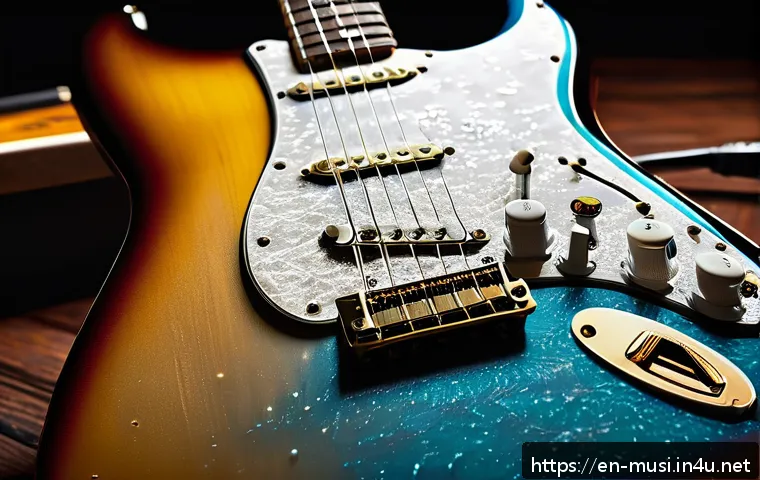
Choose an acoustic guitar for simple, portable practice and singing, or an electric guitar if you want easier-feeling strings, headphone practice options, or band-ready sounds.
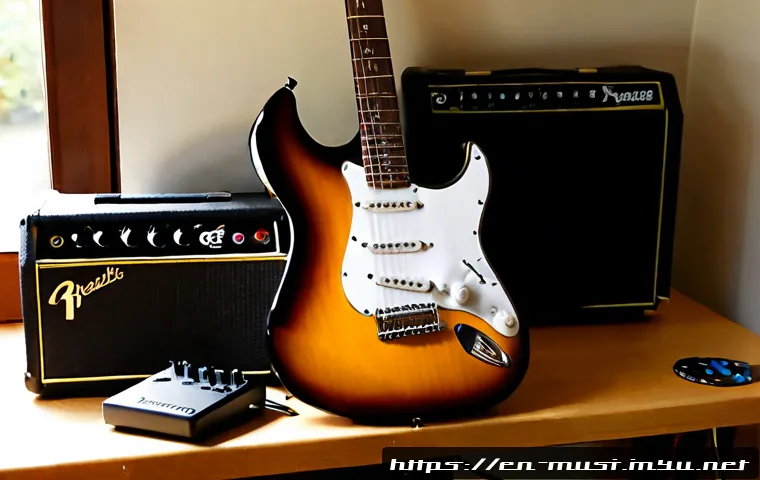
A classical guitar suits players who prefer nylon strings and a wider neck, while a travel guitar is useful when compact storage or portability matters most.
The best beginner guitar is the one that feels comfortable enough to pick up often, not necessarily the most recognizable brand. Before comparing guitar prices, include the cost of essential accessories, possible amplifier needs, and a professional setup if the instrument does not play comfortably.
New and used guitars can both be good choices, but used instruments deserve a closer condition check. Think about where you will play, what music you want to learn, and the full starter cost before making a purchase.
At a Glance
- Acoustic guitars are practical for portable, self-contained practice and singing.
- Electric guitars can feel easier on the fingers, but require additional gear such as an amplifier and cable.
- Compare the full starter cost, comfort, and condition—not only the guitar price.
| Guitar Type | Best For | Typical Extra Gear | Comfort and Noise Considerations | Total Budget Consideration |
|---|---|---|---|---|
| Acoustic | Singing, songwriting, portable practice | Tuner, picks, strings, protective case | Playable anywhere, but naturally audible | Usually fewer essential items to start |
| Electric | Rock, pop, band rehearsal, quiet practice with headphones | Amplifier, cable, tuner, picks, case | Often lower string tension; volume depends on the setup | Include amplifier and accessory costs |
| Classical | Nylon-string sound and fingerstyle learning | Tuner, protective case, suitable strings | Nylon strings may feel gentler; neck shape is different | Check neck comfort before choosing |
| Travel | Small spaces, trips, casual practice | Tuner, case, strings | Compact body may feel different from a full-size guitar | Value depends on how often portability is needed |
Start With Your Playing Goal, Not the Brand Name
The Quick Answer: Acoustic, Electric, Classical, or Travel Guitar?
If you want to sing along, write songs, or practice without connecting anything, an acoustic guitar is the straightforward choice. If you enjoy amplified styles or need more control over practice volume, an electric guitar may fit better. A classical guitar is worth trying if you prefer nylon strings, but its wider neck should feel comfortable in your hands. Choose a travel guitar when limited storage or frequent travel is the main concern.
Questions to Answer Before Setting a Budget
Ask yourself where you will practice, whether you expect to play with other people, and whether you need a quieter setup. Also consider whether you need everything at once: the instrument, case, tuner, strings, picks, cable, amplifier, and possibly a guitar setup service. This prevents a low guitar price from becoming a surprisingly incomplete purchase.
Why Comfort and Motivation Matter More Than a Famous Logo
A guitar that feels awkward can discourage practice quickly. Hold it while sitting and standing if possible. Notice the body size, the neck profile, the distance between strings and fretboard, and whether tuning appears stable. A well-known logo does not automatically mean the guitar is the right fit for your posture, hand size, music style, or experience level.
Compare Guitar Types and the Real Cost to Start Playing
Acoustic Guitars: Simple Setup and Portable Practice
An acoustic guitar needs no amplifier for basic practice, which makes it convenient for home use, lessons, and songwriting. You will still want a tuner, picks if you use them, spare strings, and a protective case or gig bag. Keep in mind that an acoustic guitar is naturally audible, so it may not be ideal for late-night practice in a shared home.
Electric Guitars: Lower String Tension but Additional Gear Costs
Many players find electric guitar strings easier to press than steel-string acoustic strings, although comfort remains personal. An electric guitar purchase usually involves more than the instrument: plan for an amplifier, instrument cable, tuner, picks, and protection. For quiet apartment practice, compare amplifier features that support headphones, but verify the exact functions on the product page before buying.
Classical Guitars: Nylon Strings and a Different Neck Feel
Classical guitars use nylon strings and have a different feel from steel-string acoustic or electric models. Some beginners appreciate the softer string material, while others find the wider neck unfamiliar. Try the neck with your fretting hand before deciding. Do not assume nylon strings automatically make every classical guitar easier for every player.
Starter Bundle Versus Buying Each Item Separately
A starter bundle can simplify a first purchase because it may include useful accessories. However, bundle contents vary by retailer, country, season, and brand. Check whether the included case, tuner, cable, amplifier, and other items are things you will actually use. Buying separately may be better when you want to choose specific gear, especially for an electric guitar setup.
What to Check Before You Buy
Neck Comfort, Body Size, String Action, and Tuning Stability
Look for a neck that feels manageable rather than forcing your hand into an uncomfortable position. Check the body size against your seated posture. String action describes how high the strings sit above the fretboard; if it feels difficult to press notes cleanly, ask whether adjustment is possible. Tune the guitar, play a few notes, and check whether it seems to hold tuning during a short trial.
New Versus Used: Condition Checks That Can Prevent Repair Bills
A used guitar can be a sensible option, but its condition cannot be confirmed from photos alone. Inspect the neck, body, hardware, strings, tuning machines, and electronics if it is an electric model. Look for signs of damage, loose parts, unusual buzzing, or tuning problems. If you are uncertain, having a qualified technician inspect the instrument can reduce the risk of unexpected repair costs.
When a Professional Guitar Setup May Be Worth Paying For
A professional guitar setup may be worth considering if the guitar feels uncomfortable, buzzes, will not stay in tune, or has been affected by storage conditions or climate exposure. Setup needs vary with the instrument’s condition, strings, and your playing preferences. Ask what adjustments are included and whether any repairs are separate before approving service.
Match the Guitar to Where and How You Will Play
Quiet Home Practice and Headphone-Friendly Electric Setups
If you live with family, roommates, or close neighbors, an electric guitar with a headphone-capable practice option can offer more volume control than an acoustic guitar. Confirm the amplifier or practice device supports the connection you need. A quiet setup still requires comfortable headphones, a cable where applicable, and a place to store the instrument safely.
Singing, Songwriting, and Portable Acoustic Options

For singing and simple songwriting, an acoustic guitar keeps the process direct: pick it up, tune it, and play. A travel guitar may be useful if a full-size body is inconvenient, but try one first if possible. Smaller instruments can feel different in balance, reach, and sound.
Band Rehearsal, Performance, and Amplification Needs
For band rehearsal or amplified performance, an electric guitar is often the most obvious starting point. An acoustic guitar may also need amplification depending on the situation. Think beyond the guitar itself: cables, amplification, protective transport, and reliability become more important when you play outside your home.
Buying for a Child or Smaller Player Without Guessing by Age Alone
Do not choose solely by age labels. A smaller player may prefer a more manageable body size or a shorter-feeling reach, but comfort should be tested directly whenever possible. Check whether the player can sit with the guitar comfortably, reach the frets without strain, and hold the neck with relaxed hands.
Accessories That Matter in a First Guitar Budget
Essential Items: Tuner, Picks, Strings, and a Protective Case
A tuner helps keep practice productive. Picks are inexpensive to try in different shapes and thicknesses, while spare strings are useful because strings eventually need replacement. A protective case or gig bag matters for carrying and storing the guitar, especially if it will travel to lessons, rehearsals, or performances.
Electric Guitar Essentials: Amplifier, Cable, and Headphone Practice Options
For an electric guitar, include an amplifier and instrument cable in your guitar price comparison. Consider whether you need a compact home-practice solution, a headphone option, or enough output for rehearsal. Review the listed specifications and included accessories rather than assuming every guitar package contains the same items.
Optional Upgrades That Can Wait Until Playing Becomes a Habit
Extra pedals, premium straps, alternate pickups, stands, and other upgrades can wait until you understand your playing routine. Start with gear that lets you tune, protect, and comfortably play the guitar. Once practice becomes consistent, your preferences will make later purchases easier to judge.
Selection Criteria and Comparison Summary
Use this final checklist before choosing: playing goal, neck and body comfort, practice volume needs, included accessories, new-versus-used condition, and full ownership cost. Compare the full starter cost, not only the guitar price. A lower-priced guitar can be better value when it feels comfortable, is in sound condition, and leaves room in the budget for the essentials you truly need. Before keeping an in-store or delivered instrument, check its physical condition, tuning stability, playability, included items, and return or service terms. For exact bundle contents, availability, and setup options, check the relevant retailer or service page.
Final Thoughts
The right guitar is the one that matches your reason for playing and feels inviting enough to use often. Acoustic, electric, classical, and travel guitars all solve different problems. Keep the first purchase practical by focusing on comfort, necessary accessories, and the realistic cost of getting started. If something feels wrong when you try the instrument, it is reasonable to compare another option before committing.
Useful Things to Know
1. Strings, climate exposure, and playing preferences can affect setup needs over time.
2. A used guitar may offer value, but inspection matters more than appearance alone.
3. An amplifier is not automatically included with an electric guitar.
4. The most suitable neck shape and body size depend on the individual player.
Important Notes
Retail prices, discounts, stock availability, and starter bundle contents vary by location, seller, season, and brand. Comfort is personal and cannot be determined by specifications alone. Used guitar condition, repair needs, and professional setup costs should be confirmed through direct inspection or a qualified technician when necessary.
Frequently Asked Questions
Q1. Is an acoustic or electric guitar better for a complete beginner?
A1. Neither is universally better. Choose acoustic if you want simple, portable practice and singing without extra equipment. Choose electric if you prefer amplified music, potentially easier-feeling strings, or controlled headphone practice. Try both if you can, because comfort matters.
Q2. How much should a beginner budget for a guitar and essential accessories?
A2. Build the budget around the complete setup rather than the instrument alone. An acoustic starter setup may need a tuner, picks, strings, and a protective case. An electric setup may also need an amplifier, cable, and possibly a headphone-friendly practice option. Exact prices and bundle contents vary, so compare the full starter cost.
Q3. Is buying a used guitar safe, or should beginners buy new?
A3. Used can be a good choice when the guitar is properly inspected, but beginners should be cautious about hidden wear, tuning issues, damage, electronics problems, or possible repair needs. A new guitar can offer a simpler buying experience, while a used guitar may be worth considering when a qualified technician or knowledgeable player can assess its condition.