Hey there, guitar enthusiasts! With the ever-evolving music scene and the surge of new tones flooding the market, understanding how your guitar pickups influence your sound has never been more crucial.
Whether you’re chasing that vintage warmth or a cutting-edge bite, the pickup you choose can completely redefine your playing experience. In this post, we’ll dive into the subtle yet powerful ways different pickups shape your tone, helping you unlock the true potential of your instrument.
Ready to transform your sound? Let’s get into the secrets behind those magical pickups!
Exploring the Character of Single-Coil Pickups
Bright and Articulate Tonal Qualities
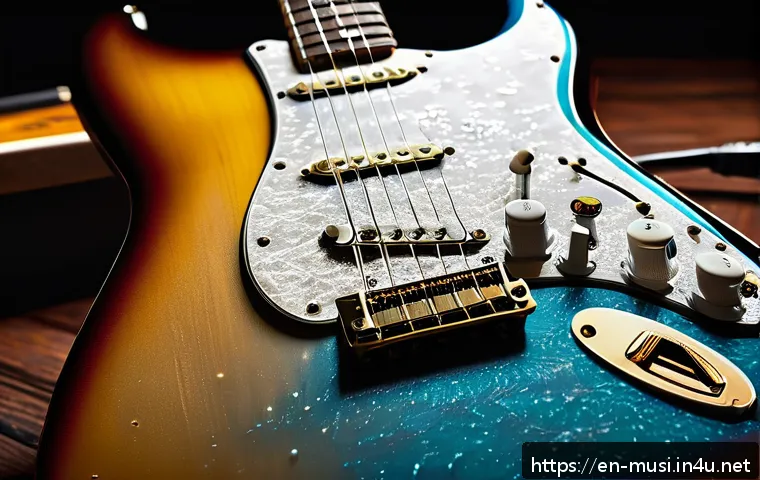
Single-coil pickups are often celebrated for their crisp, clear sound that cuts through a mix effortlessly. When I first switched to a single-coil pickup on my Stratocaster, the brightness was immediately noticeable — every note had this sparkling clarity that really brought out the nuances of my playing.
This makes them a favorite for genres like blues, country, and classic rock where that twang and shimmer add a lot of personality. However, this brightness can sometimes be a double-edged sword because single-coils tend to pick up more electromagnetic interference, leading to that familiar “60-cycle hum” that some players find distracting.
Dynamic Response and Sensitivity
Another aspect that sets single-coil pickups apart is their dynamic sensitivity. They respond incredibly well to variations in picking attack and volume knob adjustments, allowing for expressive playing.
I’ve noticed that when I dial down the volume on my guitar, single-coils clean up beautifully, making them versatile for both rhythm and lead work. This tactile feedback means you can coax a wide range of tones just by changing your playing style, something I personally find inspiring when improvising or recording.
Common Challenges and Modifications
While single-coils have their charm, they’re not without limitations. The hum can be a real nuisance in high-gain settings or on stages with lots of electrical noise.
To combat this, many guitarists opt for noiseless single-coil designs or add noise-cancelling circuits. I tried a few of these noiseless models and found that while they reduce the hum significantly, some of that signature sparkle can get a bit tamed.
It’s always a trade-off, so it’s worth trying different versions to see what fits your tone preferences and playing environment.
The Bold Impact of Humbucker Pickups
Warmth and Thickness in Tone
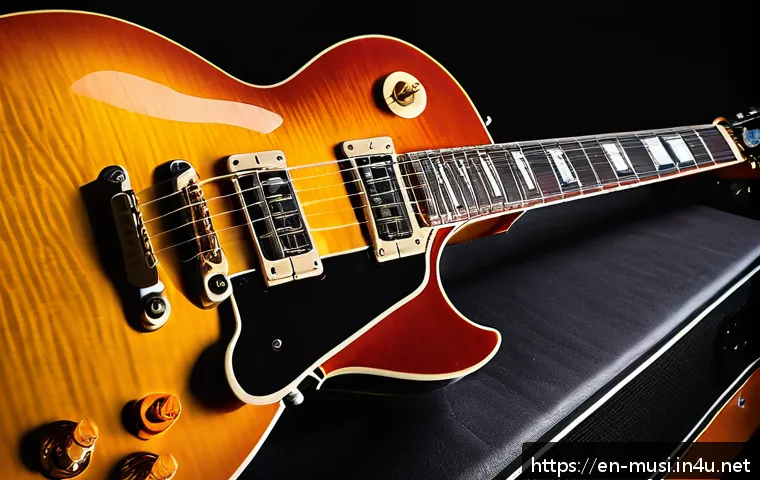
Humbuckers are known for their thicker, warmer sound compared to single-coils. When I swapped my pickups for humbuckers on a Les Paul, the difference was night and day—the tone became fuller and more rounded.
This makes humbuckers a go-to for rock, metal, and jazz players who want a beefier sound with more midrange presence. The dual-coil design cancels out hum, so you get a cleaner signal which is especially appreciated when using high-gain amps.
Higher Output and Sustain
One of the things that really stood out to me with humbuckers was the increased output. This punchier signal helps drive the amp harder, resulting in natural compression and sustain.
I found this particularly useful for lead playing where notes need to sing out and sustain longer without losing clarity. Additionally, humbuckers tend to smooth out the attack, which can make distorted tones sound less harsh and more creamy.
Varieties and Versatility
Humbuckers come in many flavors—from vintage PAF-style pickups with moderate output to modern high-output models designed for aggressive tones. I experimented with coil-splitting options that allow you to switch between humbucking and single-coil modes, which adds a surprising amount of tonal flexibility.
This hybrid approach is great if you want one guitar to cover multiple styles without swapping instruments.
Understanding the Role of Pickup Magnets
Alnico vs. Ceramic Magnets
The type of magnet used in pickups has a significant impact on tone. Alnico magnets, made from aluminum, nickel, and cobalt, tend to produce a warmer, more vintage sound with smoother highs and a softer attack.
Ceramic magnets, on the other hand, deliver a brighter, more aggressive tone with higher output. When I replaced ceramic pickups with Alnico ones on one of my guitars, the sound became noticeably more musical and less harsh, which I preferred for clean and bluesy settings.
Magnet Strength and Tonal Nuance
Magnet strength also matters. Stronger magnets pull the strings more, which can increase output but may affect sustain and string vibration. In my experience, pickups with very strong magnets sometimes feel less “alive” because the strings’ natural resonance gets dampened.
Finding the right balance is key depending on your style—players who want a lively, responsive feel might lean toward moderate magnet strength.
How Magnet Choices Influence Pickup Design
Pickup designers often choose magnet types to complement the coil windings and overall construction. For example, vintage-style pickups usually use Alnico II or V magnets to achieve that warm, classic sound, while modern high-gain pickups might use ceramic magnets for extra punch.
When shopping for pickups, I recommend listening closely to demos and trying different magnet types because even subtle changes can dramatically alter your guitar’s voice.
Pickup Wiring and Its Effect on Sound
Series vs. Parallel Wiring
The way pickups are wired can drastically shape their output and tone. Series wiring, where the signal flows through one coil into the next, produces a thicker, louder sound with more midrange emphasis.
This is typical of most humbuckers. Parallel wiring, by contrast, splits the signal path so the coils work side-by-side, resulting in a clearer, brighter tone with less output.
I’ve experimented with rewiring pickups in parallel and found it gives humbuckers a single-coil-like clarity without losing their noise-cancelling benefits.
Coil Splitting and Tapping Techniques
Coil splitting and tapping are popular mods that let you access different tonal options from the same pickup. Coil splitting turns a humbucker into a single-coil by disabling one coil, adding sparkle and brightness.
Coil tapping reduces the number of wire turns, lowering output and making the tone cleaner. I’ve used coil-split switches live to quickly jump between thick rhythm tones and sharp lead sounds, which adds a lot of versatility without needing multiple guitars.
Phase and Polarity Adjustments
Adjusting the phase relationship between pickups can also impact tone, especially when using multiple pickups together. When pickups are out of phase, the sound becomes thinner and more nasal, which some players use creatively for funky or unique textures.
Polarity switching can help cancel hum or enhance certain frequencies. These wiring tricks might seem technical, but experimenting with them opened up new sonic possibilities for me, especially in studio settings.
Pickup Materials and Their Subtle Influences
Wire Gauge and Winding Patterns
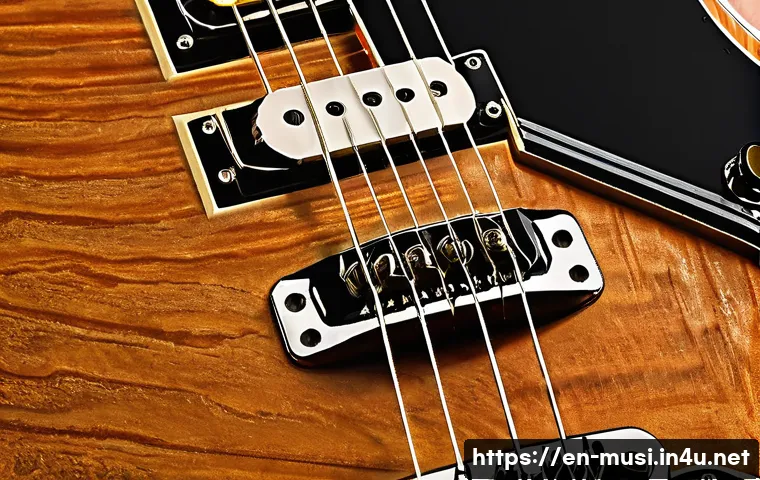
The gauge of wire used in the coil windings and the number of turns influence the pickup’s tone and output. Thinner wire allows more turns, increasing output and midrange emphasis, while thicker wire generally produces a clearer sound with less output.
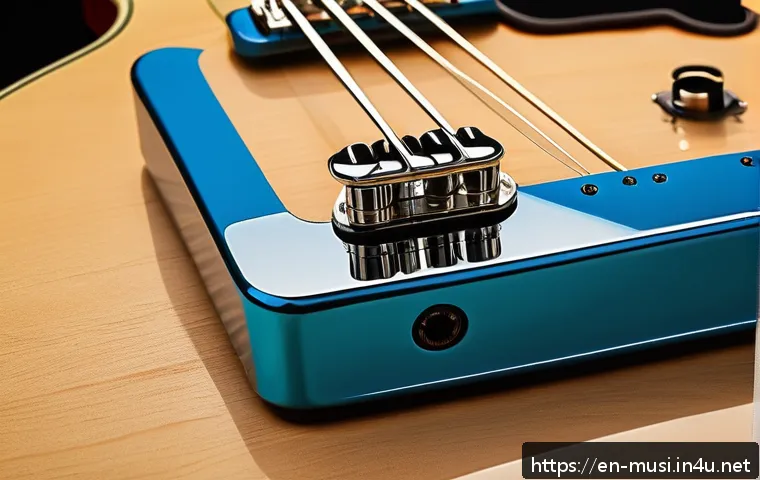
I once swapped pickups with different winding specs and noticed that even though the guitars were identical, the tonal character shifted noticeably. The winding pattern affects inductance and resonance, which shapes the harmonic content you hear.
Bobbin Materials and Construction Quality
Bobbin materials—what the coil is wound around—can also subtly affect tone. For instance, pickups with fiberboard bobbins tend to sound warmer and smoother, while plastic bobbins might yield a brighter response.
Construction quality matters too; well-made pickups have consistent winding and quality magnets that ensure balanced, reliable performance. I learned that investing in reputable brands with meticulous craftsmanship pays off in both tone and durability.
Environmental Factors and Aging
Over time, pickups can change their sound as magnets weaken and materials age. This “vintage” character is highly sought after by many players. I have a guitar with original pickups from the ’70s, and it has a certain organic warmth and complexity that new pickups often lack.
While aging isn’t something you can control, understanding how materials evolve can guide your pickup choices if you’re chasing that classic tone.
Comparing Pickup Types: A Quick Reference
| Pickup Type | Tonal Characteristics | Output Level | Common Genres | Noise Level |
|---|---|---|---|---|
| Single-Coil | Bright, clear, articulate | Low to moderate | Blues, country, classic rock | High (60-cycle hum) |
| Humbucker | Warm, thick, smooth | Moderate to high | Rock, metal, jazz | Low (noise cancelling) |
| Active | Compressed, high output, consistent | High | Metal, hard rock | Low |
| P90 | Thick single-coil, gritty | Moderate | Blues, punk, rock | Moderate |
Practical Tips for Choosing Your Ideal Pickup
Matching Pickups to Your Playing Style
Think about the genres you play and the tone you want to achieve. If you lean toward clean, articulate sounds with lots of dynamics, single-coils or coil-split humbuckers might be your best bet.
For heavier styles requiring sustain and punch, humbuckers or active pickups often excel. I recommend trying out different pickups in person, as what sounds perfect in theory might not translate to your setup or technique.
Considering Your Amp and Effects Chain
Your amp and pedals play a huge role in shaping your overall tone, so pickups should complement your gear rather than fight it. I’ve found that bright single-coils can sound harsh through certain high-gain amps, while humbuckers can sometimes get muddy with too much fuzz.
Experimenting with your entire signal chain together gives a clearer picture of what pickup suits you best.
Budget and Installation Factors
Lastly, factor in your budget and willingness to modify your guitar. Some pickups are plug-and-play, while others require soldering or professional installation.
I’ve installed pickups myself a few times, and while it’s doable with some patience, many players prefer to leave it to a tech. Also, consider the cost of premium pickups versus more affordable options—sometimes the tonal difference is subtle, but the build quality and reliability can justify the investment.
How Pickup Choices Influence Your Creative Expression
Unlocking Unique Sonic Identities
Every pickup choice is essentially a tone signature that shapes how you express yourself on guitar. When I switched pickups, it wasn’t just about sound quality; it changed how I approached phrasing, dynamics, and even songwriting.
The right pickup can inspire new ideas and push you out of familiar habits by highlighting different aspects of your playing.
Adapting to Different Musical Contexts
Versatility is key for many players, especially gigging musicians who need to cover various styles. Pickups that offer coil-splitting or different voicings help adapt to different musical contexts without changing guitars constantly.
I personally rely on these flexible pickups during live sets because they allow me to switch from clean funk tones to gritty rock leads seamlessly.
Embracing Experimentation and Personalization
Don’t be afraid to experiment with unconventional pickups or custom-wound options. Some of the most inspiring tones come from breaking the rules and blending characteristics.
I once tried a pair of vintage-style pickups with modern high-output coils, and the result was a unique hybrid sound that became central to my signature tone.
Exploring pickups is a journey—embracing this process can lead to discovering your own voice on the instrument.
In Conclusion
Choosing the right pickup is more than just a technical decision—it’s a deeply personal choice that shapes your sound and playing experience. Whether you prefer the sparkling clarity of single-coils or the warm power of humbuckers, understanding their characteristics helps you make informed choices. Experimenting with different pickups can unlock new creative paths and keep your tone fresh and inspiring.
Helpful Information to Know
1. Single-coil pickups excel in bright, clear tones but may introduce hum in certain environments.
2. Humbuckers offer warmth and higher output, making them ideal for heavier music styles.
3. Magnet type and strength significantly influence tonal nuances and pickup responsiveness.
4. Wiring options like coil-splitting add versatility by blending single-coil and humbucker sounds.
5. Matching pickups with your amp and effects chain is crucial for achieving the best overall tone.
Key Takeaways
Understanding the distinct tonal qualities and technical aspects of pickups empowers you to tailor your guitar’s voice to your musical needs. Consider your genre, playing style, and gear when selecting pickups, and don’t hesitate to explore modifications for greater flexibility. Ultimately, the right pickup setup enhances both your sound and creative expression, helping you connect more deeply with your instrument.
Frequently Asked Questions (FAQ) 📖
Q: uestionsQ1: How do different types of guitar pickups affect my tone?
A: Guitar pickups come mainly in two types: single-coil and humbucker. Single-coil pickups tend to produce a bright, crisp, and clear tone, great for genres like blues, country, and classic rock.
On the other hand, humbuckers offer a warmer, thicker, and more powerful sound, making them ideal for heavier styles like hard rock and metal. From my experience, swapping from single-coils to humbuckers completely changed the character of my guitar’s sound, giving me more sustain and less noise.
So, choosing the right pickup really depends on the sound you want to achieve.
Q: Can changing pickups improve my guitar’s overall performance?
A: Absolutely! Upgrading your pickups can breathe new life into your guitar without needing a whole new instrument. Better pickups often mean improved clarity, higher output, and reduced unwanted hum or noise.
When I replaced the stock pickups on one of my guitars, I noticed a significant boost in tonal definition and dynamic response, which made my playing feel more expressive.
However, it’s important to match pickups with your amp and playing style for the best results.
Q: Are vintage pickups worth investing in for a unique sound?
A: Vintage pickups are highly sought after because they capture that authentic, classic tone many players crave. They often have a warmer, more organic sound compared to modern pickups.
From what I’ve seen and heard, vintage pickups can add character and depth that’s hard to replicate with newer models. That said, they can be pricey and sometimes require careful maintenance.
If you’re after that nostalgic vibe and are willing to invest, vintage pickups can definitely elevate your guitar’s voice.