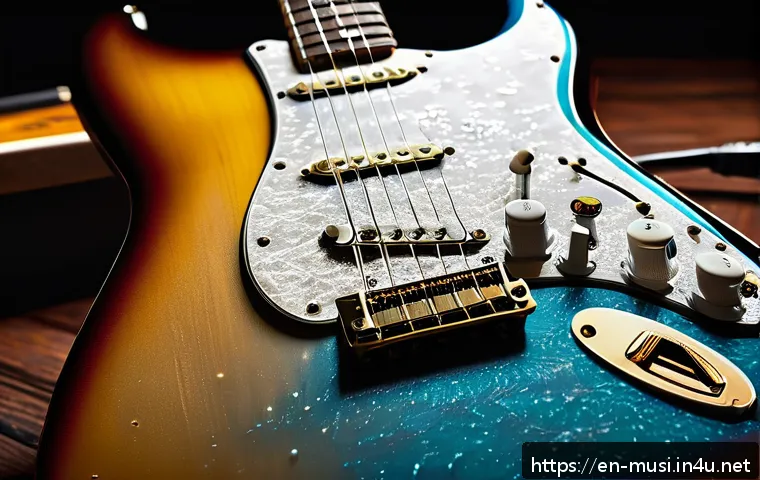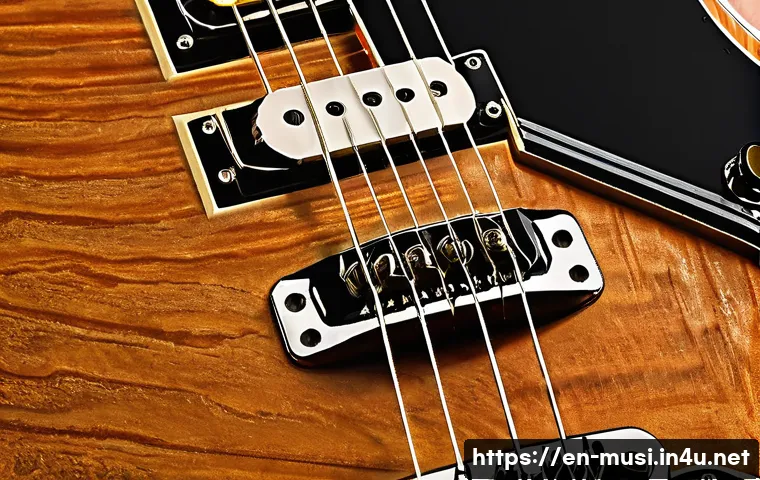
Lately, more people are diving into music as a creative outlet, especially with the rise of online lessons and virtual jam sessions. If you’re standing at the crossroads of choosing between guitar and piano, you’re not alone—and this choice can truly shape your musical path in unexpected ways.
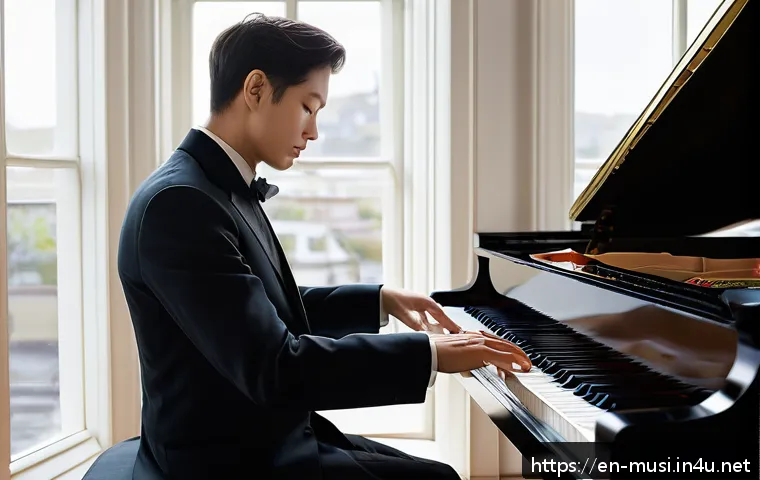
Whether you’re chasing soulful melodies or vibrant chords, each instrument offers unique opportunities and challenges that influence your style and growth.
Stick around as we explore how this decision might just redefine your entire music journey, making it more fulfilling and exciting than you ever imagined.
Understanding the Sonic Landscape: How Each Instrument Shapes Your Sound
Exploring the Guitar’s Expressive Versatility
The guitar is like a chameleon in the music world, adapting effortlessly across genres from blues and rock to jazz and folk. What I’ve found fascinating is how the tactile experience of bending strings or sliding up the fretboard creates a deeply personal connection to the sound.
When you strum or pluck, you’re not just playing notes—you’re infusing emotion into every vibration. This hands-on interaction often sparks spontaneous creativity, especially during solo jams or songwriting sessions.
Plus, the portability of a guitar means you can take your music anywhere, turning ordinary moments into impromptu concerts.
Delving into the Piano’s Harmonic Depth
On the other hand, the piano offers a majestic range of tones and dynamics that can fill a room with rich, layered soundscapes. One thing that stood out when I started learning piano was the visual layout of the keys—it’s like seeing music theory unfold right before your eyes.
The ability to play multiple voices simultaneously—melody, harmony, and bass—makes it a powerful tool for composing and understanding complex arrangements.
Unlike the guitar, where you often focus on single-note lines or chord shapes, the piano encourages you to think in terms of full textures and evolving progressions, which can be incredibly rewarding for those who love structure and nuance.
How These Differences Influence Your Musical Voice
Choosing between guitar and piano isn’t just about the sounds they produce; it’s also about the mindset each instrument cultivates. Guitarists often develop a more intuitive, rhythmic approach, relying on muscle memory and ear training to navigate chord changes and solos.
Pianists, meanwhile, tend to engage more with theoretical concepts and polyphonic thinking, which can enhance their ability to arrange or orchestrate music.
My own journey revealed that the guitar fueled my spontaneous creativity, while the piano sharpened my analytical skills. Understanding these influences can help you pick an instrument that aligns with your personal style and long-term goals.
Mastering Technique: The Physical Journey of Playing
Finger Dexterity and Coordination Challenges on Guitar
The guitar demands a unique set of physical skills, particularly finger strength and independence. When I first started, forming barre chords felt like an impossible feat—my fingers were weak, and my hand cramped easily.
But with consistent practice, I noticed my dexterity improving, not just for guitar but for other fine motor tasks too. The tactile feedback of pressing strings against the fretboard also helps build a strong sense of precision and timing.
It’s a gradual process, but the satisfaction of nailing a difficult riff or solo is unmatched.
Piano’s Demand for Independence and Hand Synchronization
Piano playing requires a different kind of coordination. From day one, you’re training both hands to perform distinct roles simultaneously—one hand might be keeping a steady rhythm while the other weaves intricate melodies.
Initially, this felt overwhelming, like patting your head and rubbing your stomach at the same time. However, as you practice scales, arpeggios, and exercises, the two hands start operating independently yet harmoniously.
This skill spills over into other areas of music and life, sharpening concentration and multitasking abilities.
Impact of Physical Comfort and Injury Prevention
It’s important to consider physical comfort and long-term health when picking an instrument. Guitarists sometimes face issues like tendonitis or finger soreness if they don’t maintain proper technique or take breaks.
Pianists, on the other hand, must be cautious about wrist posture and repetitive strain injuries, especially with intense practice sessions. Personally, I found that integrating stretching routines and mindful practice habits made a huge difference.
Paying attention to ergonomics early on helps ensure your musical journey is sustainable and pain-free.
Unlocking Creativity: Composition and Improvisation Possibilities
Spontaneous Expression Through Guitar Improvisation
One of the joys of playing guitar is the ability to improvise on the spot. During jam sessions or late-night solo practice, I often found myself exploring new riffs and chord progressions without a plan.
The guitar’s layout encourages experimenting with scales and modes, making it easier to stumble upon fresh ideas intuitively. This immediacy is thrilling, especially when you hear a melody emerge from thin air, fueled purely by emotion and instinct.
Structured Composition with Piano’s Visual Framework
The piano’s clear visual layout makes it an excellent tool for composing more intricate pieces. When writing music, I rely on the keyboard to map out harmonies and modulations, seeing how notes interact in real time.
This hands-on approach helps in crafting arrangements that balance melody and accompaniment effectively. For those interested in formal composition or producing complex music, the piano’s range and polyphony provide unmatched flexibility.
Balancing Improvisation and Theory
Both instruments offer paths to blend spontaneous creativity with theoretical understanding. Guitar players might start by jamming freely and later study scales or chord theory to refine their ideas.
Pianists often begin with theory and technique before exploring improvisation. Finding your sweet spot between these approaches depends on your learning style and musical ambitions.
My experience shows that embracing both aspects—letting go to create and applying knowledge to polish—yields the richest results.
Community and Learning Environment: How Social Interaction Shapes Your Growth
Guitar’s Popularity in Informal Group Settings
The guitar shines in casual social contexts. From backyard bonfires to coffeehouse open mics, it’s a go-to instrument for communal music-making. I’ve seen how guitar players quickly bond over shared chord progressions and songs, creating a relaxed atmosphere for collaboration and feedback.
Online, countless forums and tutorial videos foster a supportive community, making it easier to learn and stay motivated.

Piano’s Role in Formal and Solo Learning
While piano often has a reputation for formal lessons and classical training, the rise of digital pianos and apps has democratized access. Many learners enjoy practicing solo or following structured online courses, which build discipline and technique.
That said, piano players also find vibrant communities through virtual ensembles and composition groups, connecting with peers who share their passion for intricate soundscapes.
Choosing Your Learning Path Based on Social Preferences
Your personality and social preferences can influence which instrument suits you best. If you thrive in group settings and enjoy spontaneous collaboration, the guitar might be your natural fit.
Conversely, if you prefer focused, self-paced study or composing alone, the piano could offer a more fulfilling experience. Reflecting on how you like to engage with others can help guide your choice and enhance your musical journey.
Investment and Practical Considerations: What to Expect Financially and Logistically
Initial and Ongoing Costs of Guitar vs. Piano
Getting started with guitar usually involves lower upfront costs—a decent beginner model can be found for a few hundred dollars, and accessories like picks and straps are affordable.
Maintenance is relatively straightforward, with occasional string replacements and setup. In contrast, pianos, especially acoustic ones, can be a significant investment, both in purchase price and upkeep, including tuning and potential repairs.
Digital pianos offer a middle ground, providing quality sound and portability at a more accessible price point.
Space and Portability Factors
The guitar’s portability is a huge advantage for many players. You can easily bring it to gigs, lessons, or friends’ houses without hassle. Piano players often face space constraints—acoustic pianos require dedicated rooms, while digital keyboards, though more compact, still need a stable setup.
This can impact where and how often you practice, which in turn affects your progress.
Summary of Practical Differences
| Aspect | Guitar | Piano |
|---|---|---|
| Initial Cost | Low to moderate ($100–$500) | High for acoustic ($1,000+), moderate for digital ($300–$1,500) |
| Maintenance | String changes, occasional setup | Tuning, repairs for acoustic; minimal for digital |
| Portability | Highly portable | Limited portability (acoustic), moderate (digital) |
| Space Required | Small footprint | Large for acoustic, moderate for digital |
| Learning Resources | Abundant online tutorials and group sessions | Formal lessons common, plus apps and digital tools |
Long-Term Musical Growth and Opportunities
Expanding Your Repertoire and Skill Set
Both instruments offer vast libraries of music to explore, but the paths diverge as you advance. Guitarists often delve into diverse genres, learning new techniques like fingerstyle or tapping, which can open doors to session work or band roles.
Pianists may progress into classical repertoire, jazz improvisation, or music production, gaining skills that translate well into composing or arranging.
Career and Performance Possibilities
If you envision a career in music, consider how each instrument fits into different roles. Guitarists are frequently in demand for live performances across many styles, from rock bands to worship groups.
Pianists might find opportunities in solo recitals, accompaniment, studio recording, or teaching. The piano’s foundational role in music theory also makes it a common choice for educators and composers.
Personal Fulfillment and Lifelong Enjoyment
Ultimately, the best instrument is the one that keeps you engaged and inspired over the years. I’ve known people who switched between guitar and piano multiple times before settling on the one that truly resonated with their heart and lifestyle.
The journey is as important as the destination—whichever you choose, the joy of making music will continue to grow and evolve with you.
In Conclusion
Choosing between guitar and piano is a deeply personal journey that shapes not only your sound but your musical mindset. Each instrument offers unique challenges and rewards, influencing creativity, technique, and social interaction. Whether you seek spontaneity or structured composition, understanding these differences will help you find the perfect fit for your musical path.
Helpful Information to Know
1. Both guitar and piano have abundant learning resources available online, from tutorials to community forums, making self-study accessible and enjoyable.
2. Physical comfort and injury prevention are crucial; incorporating proper technique and warm-up routines ensures a sustainable playing experience.
3. The guitar’s portability allows for more casual and social music-making, while the piano is often better suited for focused practice and composition.
4. Initial investment and maintenance costs vary significantly, with guitars generally being more affordable and easier to maintain than acoustic pianos.
5. Your personality and social preferences can guide your instrument choice, helping you stay motivated and engaged in your musical growth.
Key Takeaways
Understanding the distinct characteristics of guitar and piano—from their physical demands to creative potential—empowers you to make an informed decision that aligns with your goals. Prioritizing comfort, learning style, and long-term enjoyment ensures a fulfilling musical experience. Remember, the best instrument is one that inspires you to keep playing and growing over time.
Frequently Asked Questions (FAQ) 📖
Q: uestionsQ1: Which instrument is easier for beginners, guitar or piano?
A: From my own experience and chatting with fellow musicians, piano tends to be more straightforward for absolute beginners because the notes are laid out visually and logically.
You can immediately see and play melodies, which helps build a strong music theory foundation. Guitar, on the other hand, can be trickier at first due to finger positioning and chord shapes, but it’s incredibly rewarding once you get the hang of it.
Ultimately, it depends on your personal preference and patience level.
Q: Can I learn both guitar and piano effectively through online lessons?
A: Absolutely! Online lessons have come a long way, offering interactive tools, personalized feedback, and virtual jam sessions that make learning both instruments accessible and fun.
However, juggling both at the same time requires good time management and a clear practice schedule. Many people find focusing on one instrument first helps build solid skills before branching out, but if you’re motivated and organized, learning both simultaneously is definitely doable.
Q: How do guitar and piano influence the style and creativity of my music?
A: Guitar and piano each bring unique flavors to your music. Guitar often inspires rhythmic, chord-driven playing with a strong connection to genres like rock, blues, and folk.
Piano, with its wide range and polyphonic capabilities, encourages exploring complex harmonies and melodic lines, common in jazz, classical, and pop. Personally, I noticed that switching between the two opened up new creative doors, allowing me to blend different styles and express emotions more fully.
Your choice will shape not just your sound but your entire approach to songwriting and performance.