Have you ever wondered how an electric guitar’s sound transforms from a simple string vibration into that powerful, booming tone that fills a concert hall?
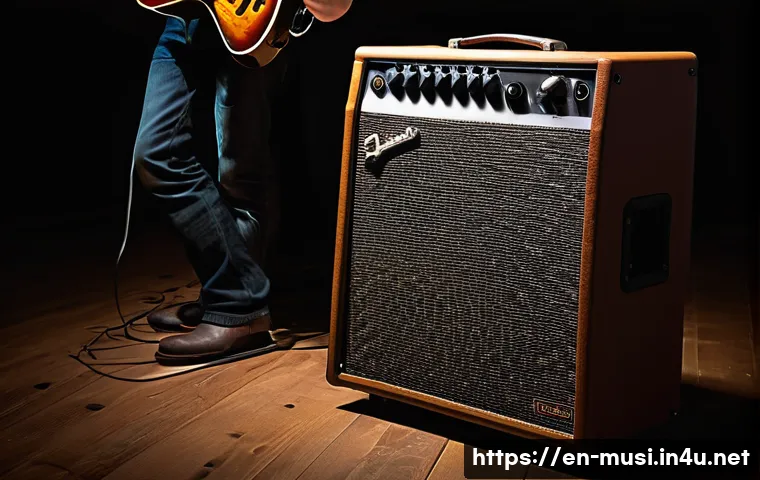
The secret lies in the fascinating process of sound amplification, where subtle string movements are converted into electrical signals and then magnified through an amplifier.
This blend of physics and technology not only enhances volume but also shapes the unique character of the guitar’s voice. Whether you’re a budding musician or just curious about audio tech, understanding this principle opens up a whole new appreciation for your favorite riffs.
Let’s dive in and explore exactly how guitar sound amplification works!
The Role of Pickups in Capturing Guitar Vibrations
Understanding Magnetic Pickups
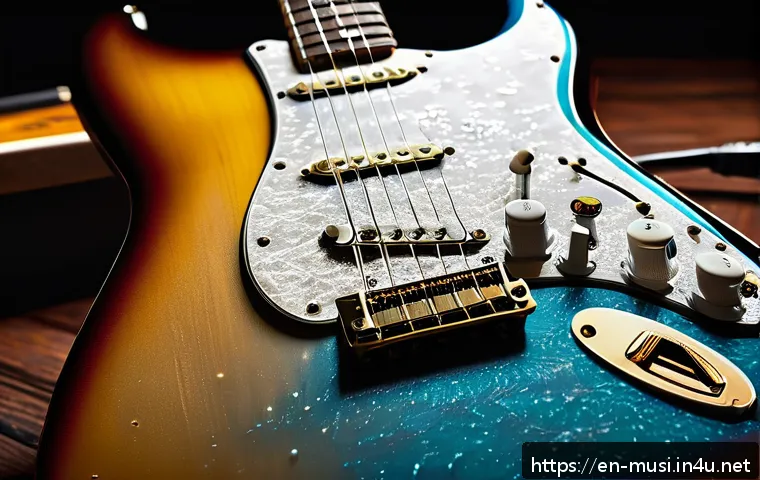
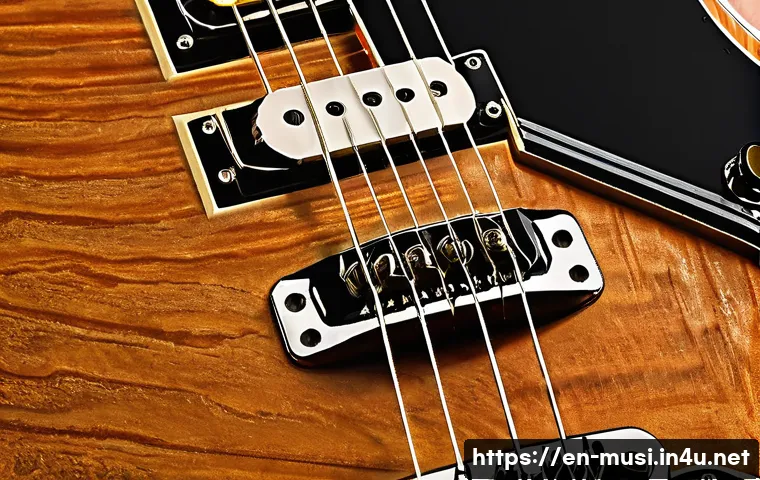
Magnetic pickups are the heart of an electric guitar’s sound capture. When you pluck a string, it vibrates within a magnetic field created by the pickup’s magnets and coils of wire.
This vibration disturbs the magnetic field, inducing an electric current that mirrors the string’s motion. What’s fascinating is how subtle differences in string material, thickness, and even pick attack alter this electric signal.
I remember experimenting with different pickup types and noticing how each one colored the tone uniquely, almost like each pickup had its own personality.
This initial conversion from mechanical vibration to electrical energy sets the foundation for everything that follows in the amplification chain.
Single-Coil vs. Humbucker Pickups
Two main types of magnetic pickups dominate the electric guitar world: single-coil and humbuckers. Single-coils offer a bright, crisp tone but can be prone to picking up unwanted electrical noise—something I definitely noticed during my early gigs without proper shielding.
Humbuckers, on the other hand, use two coils wired together to cancel out noise while delivering a thicker, warmer sound. This difference is critical depending on the style of music you play; for instance, blues and classic rock players often favor single-coils for their clarity, whereas metal and jazz guitarists lean towards humbuckers for their powerful, noise-free output.
Understanding these pickups’ mechanics helps explain why two guitars plugged into the same amp can sound worlds apart.
Piezo and Other Pickup Innovations
Beyond magnetic pickups, piezo pickups have carved out a niche, especially for acoustic-electric guitars. Instead of using magnets, piezos detect the physical pressure changes generated by string vibrations through a crystal sensor.
This method captures a more natural acoustic tone, which is why many fingerstyle players prefer piezos when they want their unplugged sound to translate faithfully through an amp.
More recent innovations have combined piezo and magnetic pickups to offer players a versatile palette of sounds in one instrument. From my experience, blending these pickups can provide a dynamic range that’s perfect for live performance or studio recording, where capturing every nuance matters.
How Signal Processing Shapes Guitar Tone
The Preamp’s Influence
Once the pickup converts string vibrations into an electrical signal, the preamplifier steps in to prepare this signal for further amplification. The preamp boosts the weak signal from the pickups to a level that can drive the power amp without losing detail or adding unwanted noise.
It also allows tone shaping through EQ controls—bass, mid, treble—giving the player control over the guitar’s voice. In my early days, tweaking the preamp settings often felt like sculpting the sound, from smooth and creamy to sharp and biting.
This stage is crucial because it lays the groundwork for how the guitar will ultimately project.
Effects and Pedals in the Signal Chain
Effects pedals like overdrive, distortion, delay, and reverb have become essential tools in modern guitar tone crafting. Each pedal modifies the signal in a unique way before it reaches the amplifier.
For example, overdrive pedals simulate the warm breakup of a tube amp pushed to its limits, adding sustain and harmonic richness. Delay pedals create echoes that can fill out a solo or rhythm part, while reverb adds a sense of space and depth.
I recall jamming with friends and swapping pedals to discover how each changed our soundscape. The order in which pedals are connected also matters a lot; placing a distortion before a delay yields a different texture than the reverse.
This interplay between pedals and amps forms the heart of many guitarists’ signature sounds.
Signal Loss and Noise Considerations
As the guitar’s signal passes through cables, pedals, and amps, it can degrade or pick up noise, especially if connections aren’t solid or shielding is poor.
This is why high-quality cables and proper grounding are vital. In one gig, I learned the hard way when a loose jack caused crackling sounds that distracted the entire band.
Noise can also come from electromagnetic interference, especially in environments loaded with fluorescent lights or computer equipment. Using noise gates or hum eliminators can help, but prevention through good gear maintenance and setup is always best.
Understanding these technical details ensures the clarity and punch of the guitar’s tone remain intact from string to speaker.
Amplifier Types and Their Impact on Sound
Tube Amplifiers: The Classic Choice
Tube amps have long been celebrated for their warm, organic sound and dynamic response. They use vacuum tubes to amplify the signal, which naturally compress and add harmonic distortion when pushed hard, producing that coveted “crunch” tone many guitarists seek.
Playing through a tube amp feels almost alive; the amp responds to your picking intensity and guitar volume knob adjustments, giving a tactile connection to your sound.
Personally, I find that tube amps reward subtle playing nuances and can transform a simple riff into a soulful expression. Their downside is maintenance, as tubes wear out and need replacement, but the sonic payoff is often worth it.
Solid-State Amplifiers: Reliability and Clarity
Solid-state amps rely on transistors instead of tubes and are known for their durability and clean, precise sound. They typically weigh less and require less upkeep, making them popular for practice or budget-conscious players.
While some purists feel solid-state amps lack the warmth and character of tube amps, modern designs have narrowed this gap significantly. I once used a solid-state amp during a touring stint and appreciated how consistently clear it stayed regardless of temperature or handling.
For genres that demand pristine clarity, like jazz or funk, solid-state amps often shine.
Modeling Amplifiers and Digital Technology
In recent years, digital modeling amps have revolutionized how guitarists access a variety of tones. These amps simulate the sound of famous tube amps, cabinets, and effects all in one device, often with user-friendly interfaces and presets.
From my experience, modeling amps are incredibly versatile, especially for players who gig in diverse settings or record at home without a large gear collection.
They also integrate well with digital audio workstations, making them ideal for modern producers. While some argue they can’t fully replicate analog warmth, ongoing advancements continue to close that gap impressively.
Speaker Cabinets and Their Role in Sound Projection
How Speaker Size Affects Tone
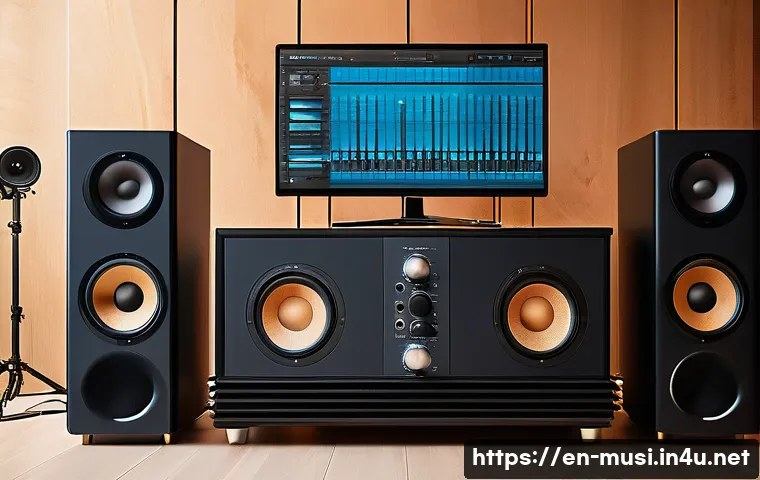
The speaker cabinet is the final stage where the amplified signal turns back into sound waves that reach your ears. The size and type of speakers inside the cabinet dramatically influence tone.
Larger speakers, like 15-inch cones, often produce deeper bass and a fuller sound, great for heavy rock or metal. Smaller 10-inch or 12-inch speakers tend to emphasize midrange frequencies, which can make solos cut through a mix more effectively.
When I swapped cabinets during a recording session, the difference was night and day—changing the cabinet altered not just volume but the entire character of the guitar’s voice.
Open-Back vs. Closed-Back Cabinets
Cabinet design also plays a big part in sound. Open-back cabinets allow sound to escape from the rear, creating a more spacious and airy tone with less bass focus.
Closed-back cabinets trap the sound inside, resulting in a tighter, punchier low end. I’ve found open-back cabs excellent for blues and country styles where clarity and roominess matter, while closed-back cabs are my go-to for genres requiring aggressive attack and definition.
The choice often depends on the environment and personal preference, but knowing how these designs influence sound helps in selecting the right gear.
Speaker Impedance and Compatibility
Matching your amplifier’s output impedance with the speaker cabinet’s impedance is essential to prevent damage and achieve optimal sound. Common impedances are 4, 8, or 16 ohms, and mismatches can lead to reduced volume, tone issues, or amplifier stress.
When I first started assembling my rig, this was a confusing topic, but learning to read specs and double-check connections saved me from costly mistakes.
Ensuring proper impedance matching is a small step that makes a big difference in the reliability and sonic quality of your setup.
The Science Behind Tone Controls and Equalization
Basic Frequency Bands and Their Effects
Tone controls on guitars and amplifiers typically adjust bass, midrange, and treble frequencies. Each band affects how the guitar sounds in subtle or dramatic ways.
Increasing bass adds warmth and thickness, while boosting mids can make the guitar more present and cutting. Treble adjustments bring brightness and clarity or tame harshness.
I often think of these controls like seasoning in cooking—too much or too little can spoil the dish. Experimenting with these knobs during live shows or recording sessions helped me understand how they interact with pickups, amps, and the room’s acoustics to shape the final sound.
Graphic and Parametric Equalizers
Beyond simple tone knobs, many guitarists and engineers use graphic or parametric EQ units to fine-tune their sound. Graphic EQs provide fixed frequency bands you can boost or cut, while parametric EQs offer more precise control over frequency, bandwidth, and gain.
In one studio session, I used a parametric EQ to carve out muddy frequencies that were masking the guitar’s clarity, which made a huge difference in the mix.
These tools are especially useful for adapting your tone to different environments or cutting through a dense band mix, and mastering their use is a skill that can elevate your sound to a professional level.
Interaction Between Guitar and Room Acoustics
The room where you play or record impacts how your amplified guitar sounds. Hard surfaces reflect sound waves, often emphasizing treble and causing unwanted echoes, while softer materials absorb sound, mellowing the tone.
I remember setting up my amp in various venues and noticing how the same settings sounded drastically different—sometimes harsh and piercing, other times smooth and warm.
Understanding this interaction helps in adjusting amp EQ or using additional gear like room treatments and microphones to capture the best possible sound.
It’s a reminder that guitar tone isn’t just about the instrument and amp but also the space around you.
Summary Table of Guitar Amplification Components and Their Roles
| Component | Function | Effect on Tone | Typical Variations |
|---|---|---|---|
| Pickups | Convert string vibrations into electrical signals | Shape initial tonal character; brightness, warmth, clarity | Single-coil, humbucker, piezo |
| Preamp | Boosts and shapes signal before power amplification | Adds gain, EQ control, tonal shaping | Tube, solid-state, digital modeling |
| Effects Pedals | Modify the signal with various effects | Distortion, delay, reverb, modulation | Overdrive, fuzz, chorus, delay |
| Amplifier | Amplifies signal to drive speakers | Volume, tonal warmth, dynamic response | Tube, solid-state, modeling |
| Speaker Cabinet | Converts electrical signal back to sound waves | Affects tone color, bass response, projection | Open-back, closed-back, speaker size |
Conclusion
Understanding the components that shape a guitar’s tone—from pickups to amplifiers and speaker cabinets—gives players greater control over their sound. Each element adds its own character, making tone crafting both a science and an art. Experimenting with different setups and settings allows you to discover what truly resonates with your style. Ultimately, the perfect guitar tone reflects your personal expression and musical journey.
Useful Information to Keep in Mind
1. Different pickups dramatically influence your guitar’s initial tone, so choosing between single-coil, humbucker, or piezo depends on your musical style and desired sound.
2. The preamp stage is crucial for shaping and boosting the guitar’s signal, affecting how your tone projects and responds to your playing dynamics.
3. Effects pedals add versatility and personality to your sound, but their order in the signal chain can change the overall texture significantly.
4. Proper gear maintenance, including using quality cables and matching impedance, ensures a clean, noise-free signal path.
5. Room acoustics play a surprisingly big role in how your amplified guitar sounds, so adjusting your setup to the environment can greatly improve your tone.
Key Takeaways
Mastering guitar tone involves a balance between technical knowledge and personal experimentation. From selecting the right pickups to understanding amplifier types and speaker cabinet design, every choice impacts your sound. Don’t overlook the importance of signal quality and environmental factors, as these can make or break your tone. Investing time in learning how each component interacts will empower you to create a signature sound that feels authentic and inspiring.
Frequently Asked Questions (FAQ) 📖
Q: How does an electric guitar pick up the sound from the strings?
A: An electric guitar uses pickups, which are essentially magnets wrapped with coils of wire, placed under the strings. When you pluck a string, it vibrates and disturbs the magnetic field around the pickup.
This disturbance induces a tiny electrical current in the coil, converting the mechanical vibration into an electrical signal. This signal carries the tonal information of the string’s vibration and is the foundation for the guitar’s amplified sound.
Q: Why do guitar amplifiers affect the tone and not just increase volume?
A: Amplifiers do more than just make the sound louder—they shape the tone by amplifying certain frequencies and introducing subtle distortions or coloration.
Different amps have unique circuits and components, like tubes or transistors, that respond differently to the input signal. This interaction adds warmth, brightness, or grit, giving each guitar and amp combination a distinct voice.
From my experience, switching from a solid-state to a tube amp can dramatically change the character of the sound, making it feel more alive and expressive.
Q: Can I use any amplifier with my electric guitar, or do I need a specific one?
A: While you can technically plug an electric guitar into many types of amplifiers, guitar amps are designed specifically to handle the guitar’s frequency range and signal characteristics.
Using a regular stereo or PA amplifier might work, but it often lacks the tonal shaping and input sensitivity tailored for guitars. I’ve tried playing through a keyboard amp before, and although it produced sound, it felt flat and lacked the dynamic response that a proper guitar amp provides.
For the best experience, it’s worth investing in an amplifier made for electric guitars.